

Whether you're a saree collector, planning a festive wardrobe, or simply curious about Indian crafts, this guide explores their origins, key differences, and how to tell them apart authentically.
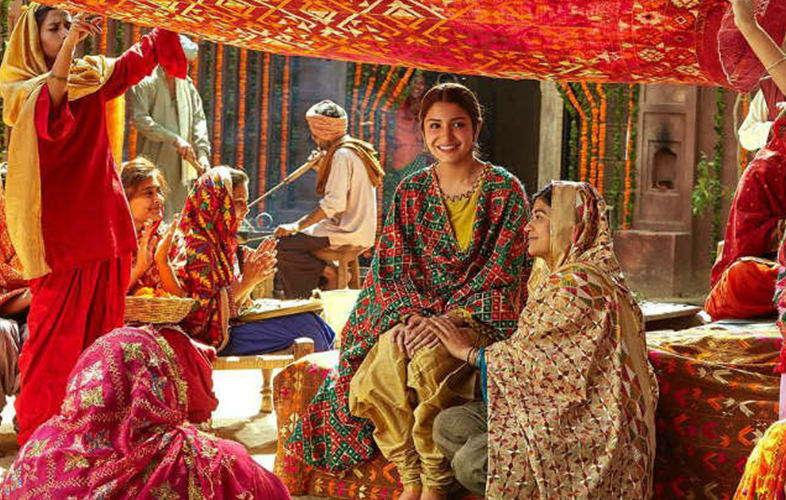
 What Makes Phulkari Sarees Special?
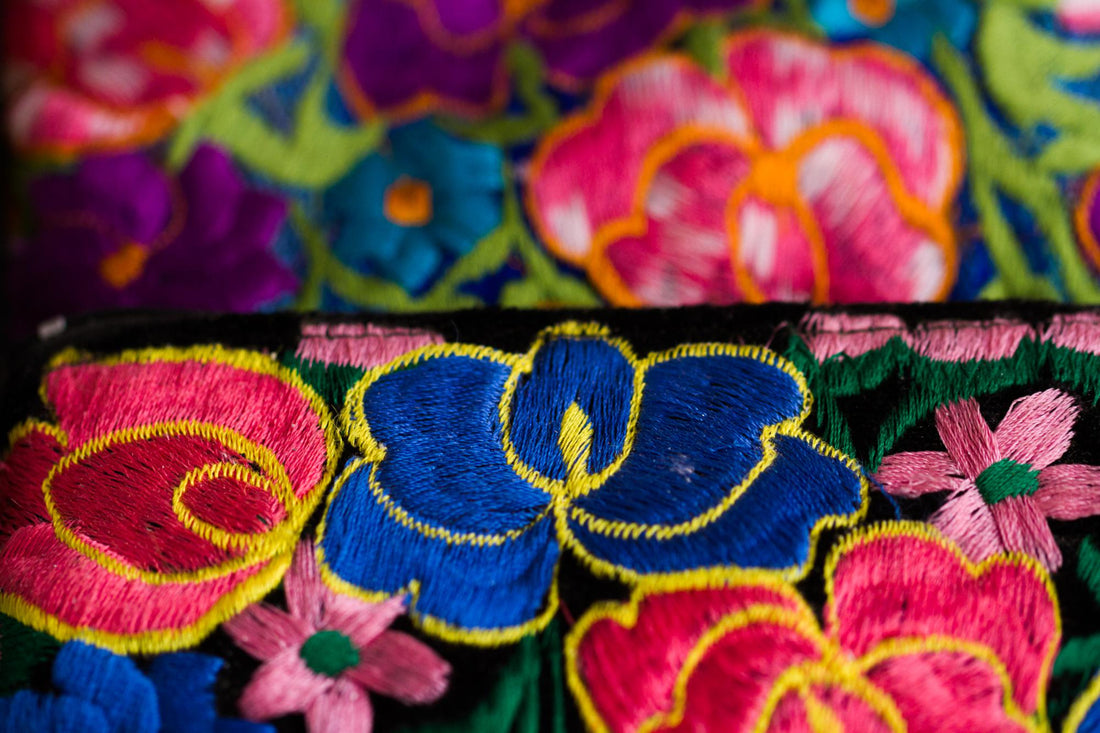
Phulkari, meaning "flower work," is a traditional hand-embroidery technique from Punjab, passed down through generations of women. Artisans use a darning stitch with vibrant silk floss threads on a simple cotton or silk base, working from the back to create bold floral and geometric designs on the front.
Motifs include flowers, leaves, wheat ears (for prosperity), peacocks, and symmetrical patterns like diamonds or stars. Styles range from Thirma (light, sparse embroidery) for daily wear to Bagh (full coverage "garden") for weddings and festivals like Baisakhi or Lohri.
A lightweight, breathable saree with an earthy, artistic charm that celebrates simplicity and heritage.
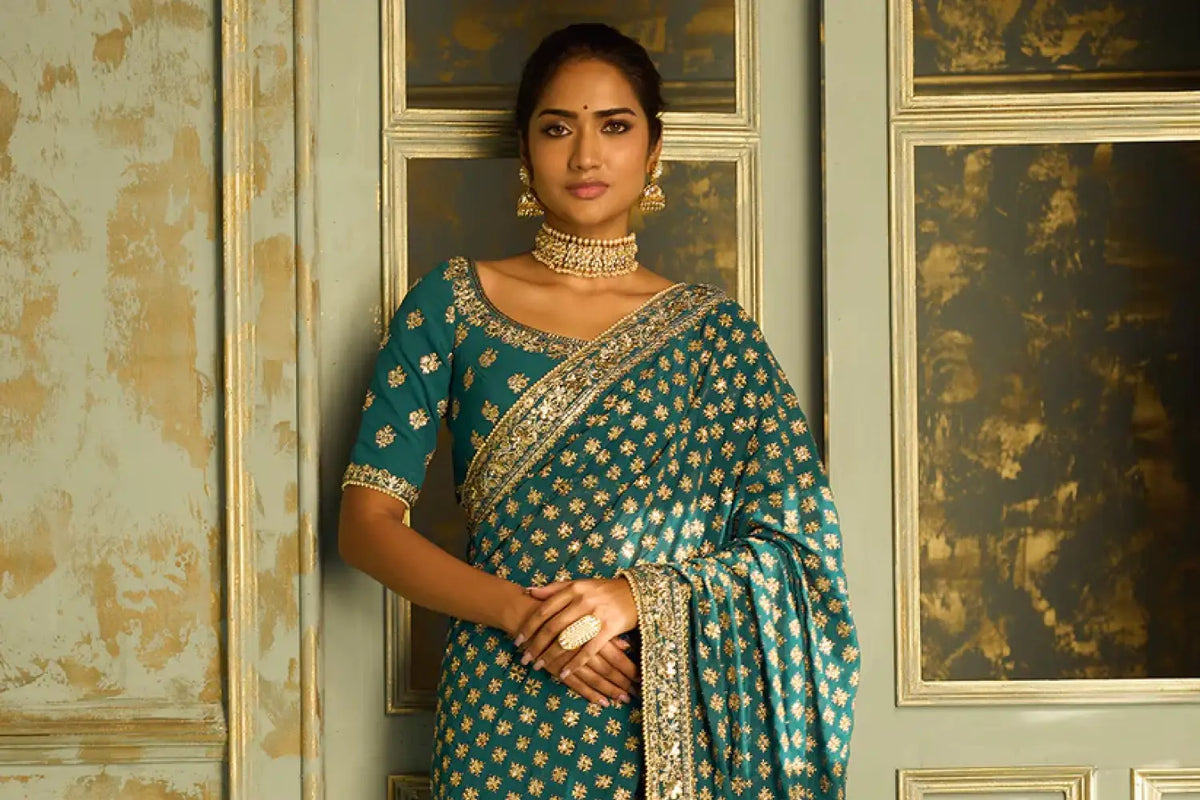
 Traditional Punjabi Festive Embroidered Sarees
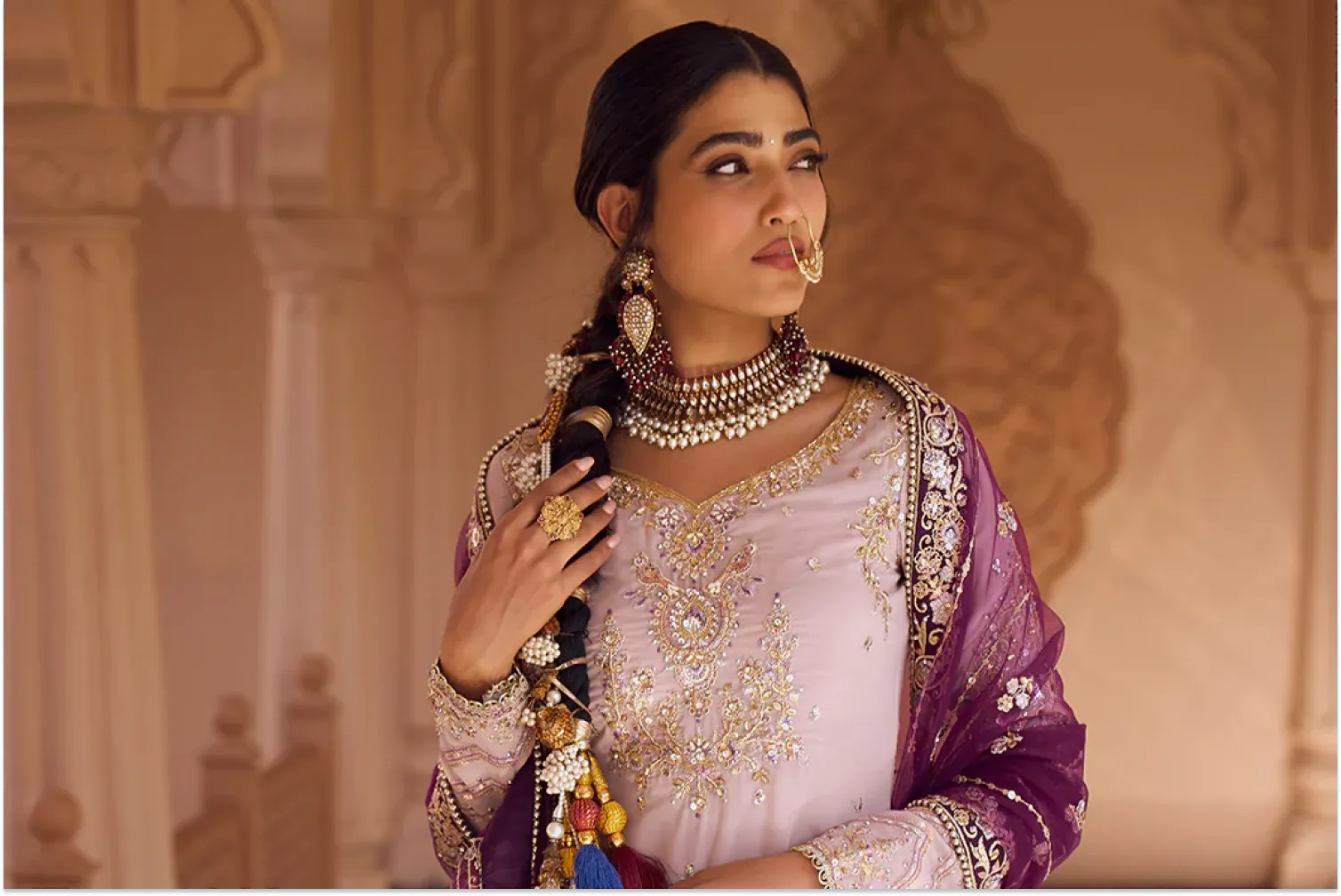
These sarees embrace opulence for grand occasions. Crafted on lighter fabrics like georgette, chiffon, or silk, they feature gota patti (gold/silver ribbon appliqué), shisha (mirror work), sequins, beads, and zari threads.
Designs often include intricate borders, paisley motifs, animals, or floral patterns with heavy metallic accents. The focus is on shine, texture, and drama—perfect for weddings, Diwali, or family celebrations.
| Feature | Phulkari Saree | Festive Punjabi Embroidered Saree |
|---|---|---|
| Primary Technique | Darning stitch (back-to-front) | Appliqué, mirror work, front embroidery |
| Embellishments | Silk floss threads only | Gota ribbons, mirrors, sequins, zari |
| Motifs | Geometric florals, nature & rural symbols | Eclectic borders, animals, metallic shine |
| Fabric Base | Sturdy cotton/khaddar or silk | Sheer georgette/chiffon/silk |
| Aesthetic | Artistic, subtle, heritage-focused | Glamorous, opulent, celebration-ready |
| Best For | Festivals like Baisakhi, everyday elegance | Weddings, Diwali, grand events |
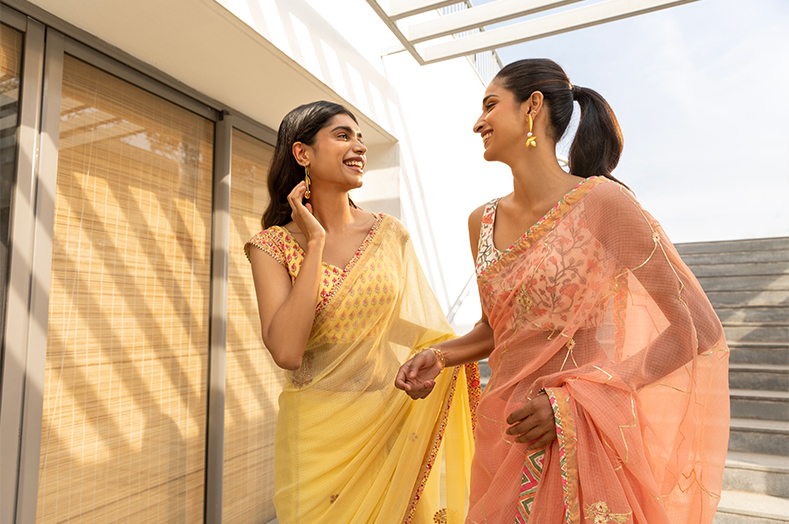
 How to Spot the Real Differences (Authenticity Tips)
-
Check the Reverse Side Phulkari: Clean back with long, neat thread floats and no knots. Festive styles: Often shows appliqué stitching, glue traces, or ribbon edges.
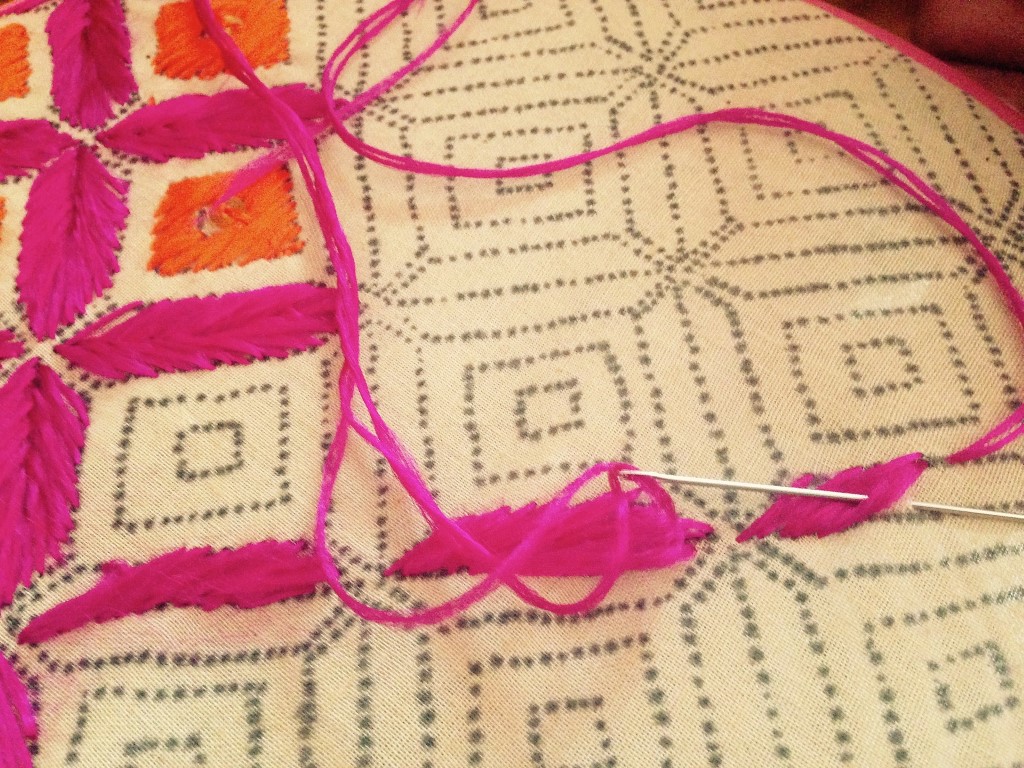
- Feel the Texture Phulkari threads feel soft and warm (natural silk). Gota patti adds metallic stiffness; mirrors feel raised and glassy.

- Look for Handmade Imperfections Genuine Phulkari has slight variations in stitches—beautiful signs of human touch. Overly perfect patterns often indicate machine work.
- Assess Shine & Density Phulkari offers a soft silk sheen with balanced negative space. Festive sarees dazzle with heavy metallic sparkle and dense embellishments.
These checks not only help you identify authenticity but also honor the artisans behind each piece.
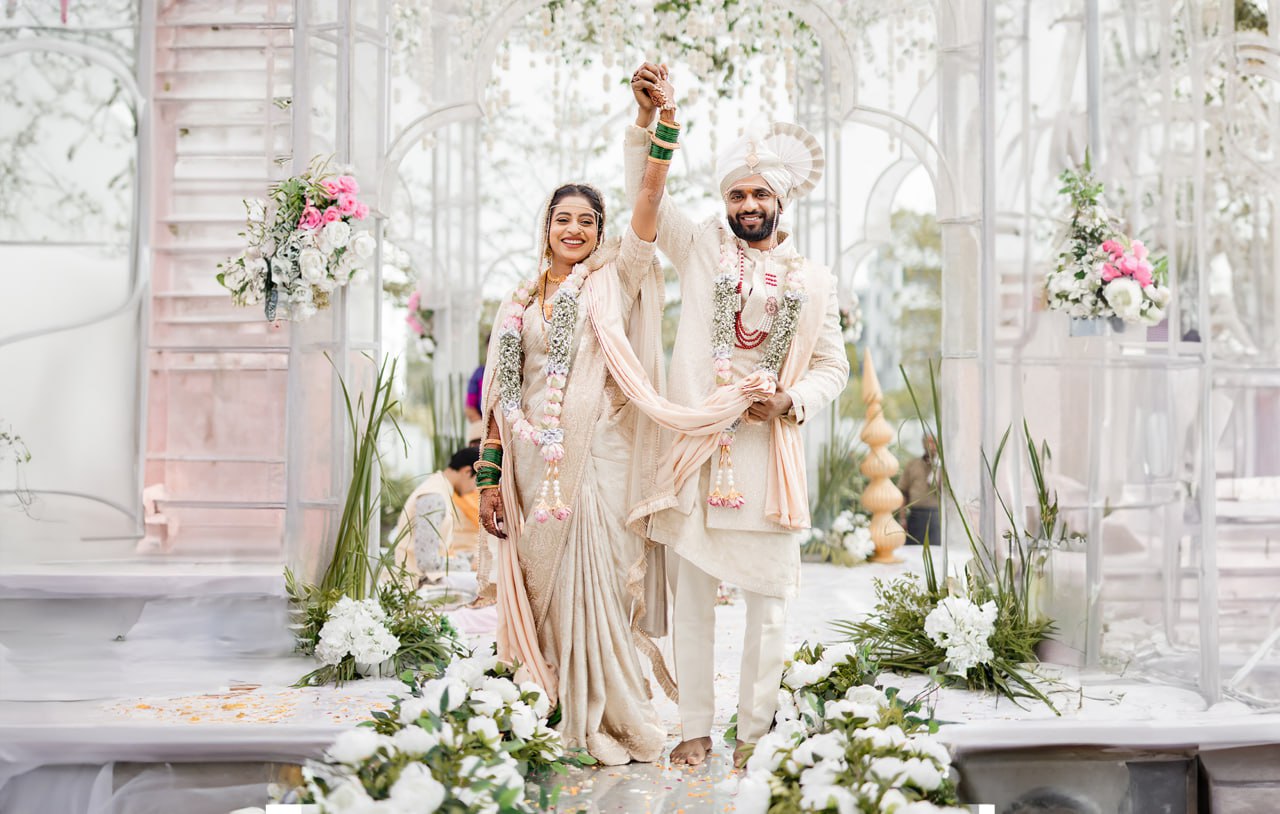 Punjab's sarees are more than fabric—they're living stories of tradition, creativity, and celebration. Phulkari keeps the quiet elegance of rural roots alive, while festive embroidered styles add modern sparkle to timeless joy.

