

Discover the artistry and heritage woven into every edge

In a nation where the textile industry directly employs over 45 million people (Ministry of Textiles, 2024-2025 data), and the ethnic wear market continues to grow robustly at a projected CAGR of around 8.4% through 2029, these intricate edges remain a cornerstone of cultural identity and modern elegance.

Origin & History of Borders in Indian Textiles
The tradition of borders dates back to the Indus Valley Civilization (2800–1800 BCE), where textiles featured defined edges for both practical reinforcement and aesthetic appeal. Silk and cotton weaving flourished early, with borders evolving under Mughal patronage (16th–19th centuries) that introduced luxurious zari and brocade techniques.
Regional legacies shine through: South India's temple motifs symbolize spirituality, while Banarasi styles reflect royal opulence. Borders served functional roles—preventing fraying—and symbolic ones, incorporating auspicious elements like lotuses for prosperity. Today, they sustain livelihoods for millions, with handloom exports contributing significantly to India's textile economy.
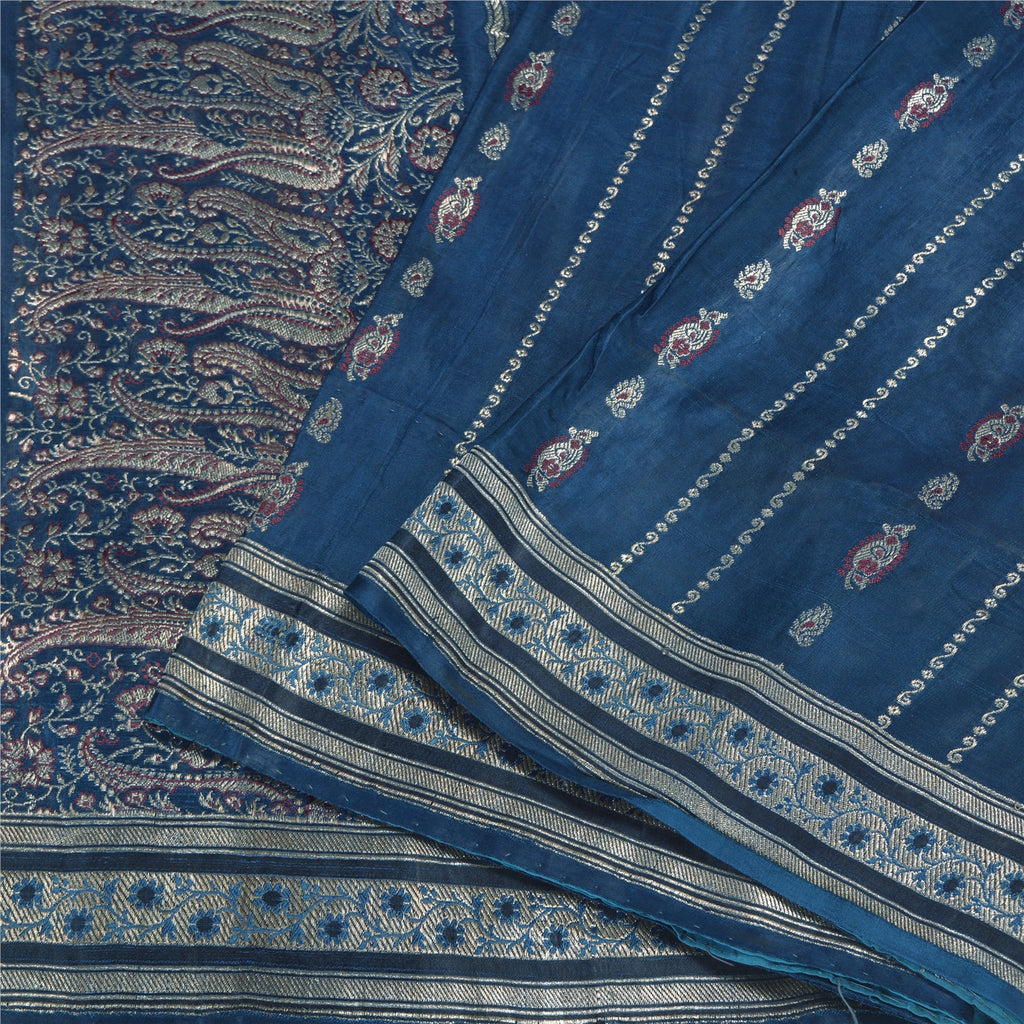
Uses of Borders in Ethnic Wear
Borders provide definition, balance, and luxury across silhouettes:
- Sarees — They guide the drape along the length and pallu, creating dramatic flow in traditional weaves.
- Suits — Frame hems, sleeves, and dupattas for coordinated sophistication in everyday or festive looks.
- Dupattas — Add movement and flair when draped over shoulders.
- Lehengas — Wide, ornate borders enhance the dramatic flare, especially in bridal designs.
- Kurtis — Subtle borders elevate casual ethnic wear with refined detail.
These elements support the vibrant ethnic wear sector, blending tradition with contemporary appeal.
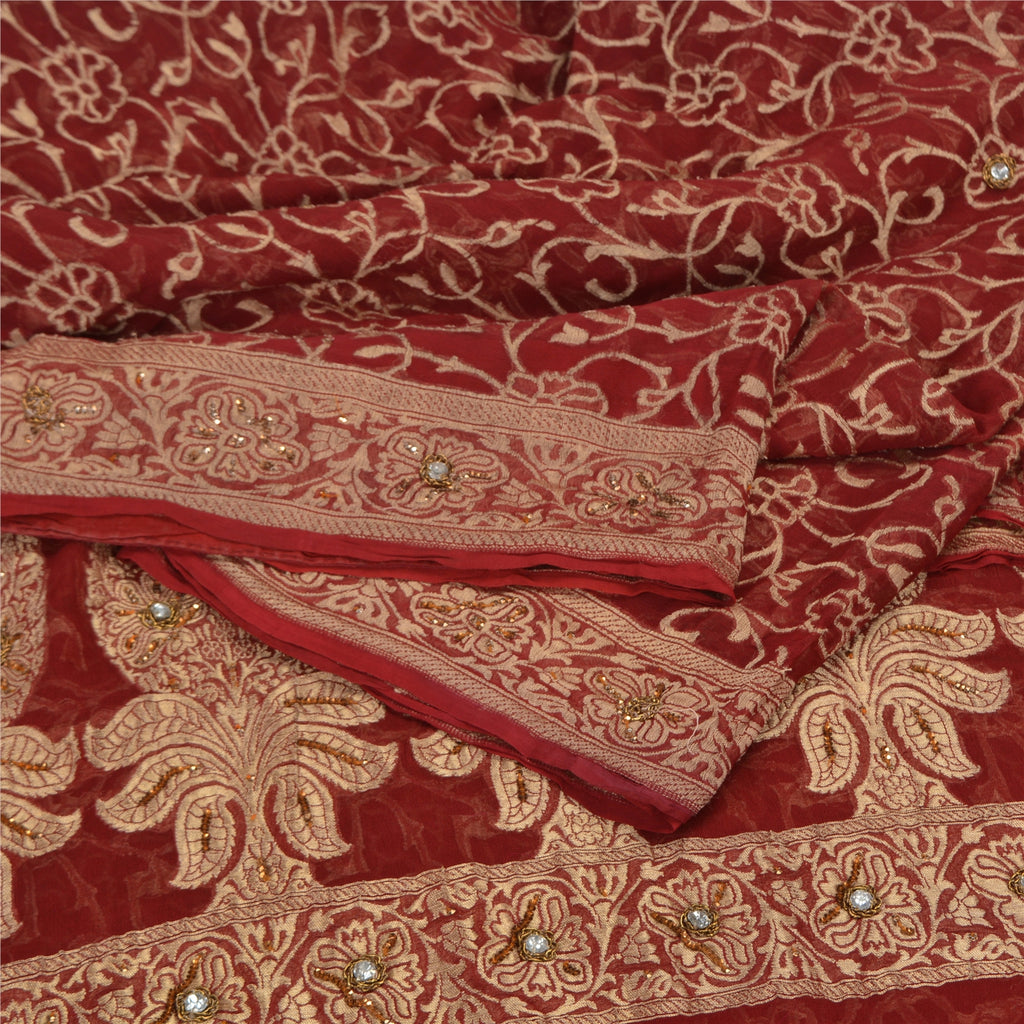
Different Types of Borders
Discover these beloved saree border designs and ethnic wear borders:
- Zari Border — Gold or silver metallic threads for festive shimmer; prominent in Banarasi and Kanjivaram sarees.
- Jacquard Border — Intricate woven raised patterns for textured elegance on suits and kurtis.
- Resham/Thread Embroidery Border — Colorful silk thread work, often hand-embroidered for rich detail.
- Gota Patti Border — Lightweight gold/silver ribbons appliquéd with motifs; a Mughal-era favorite for lehengas.
- Lace Border — Delicate, feminine nets blending tradition with softness.
- Brocade Border — Heavy raised silk designs exuding royal grandeur.
- Printed Border — Vibrant, affordable block or machine prints for versatility.
- Temple Border — Iconic motifs like elephants and lotuses; a hallmark of Kanjivaram sarees, symbolizing heritage.
- Contrast Border — Striking color differences for bold visual impact.

Handloom vs Machine-Made Borders
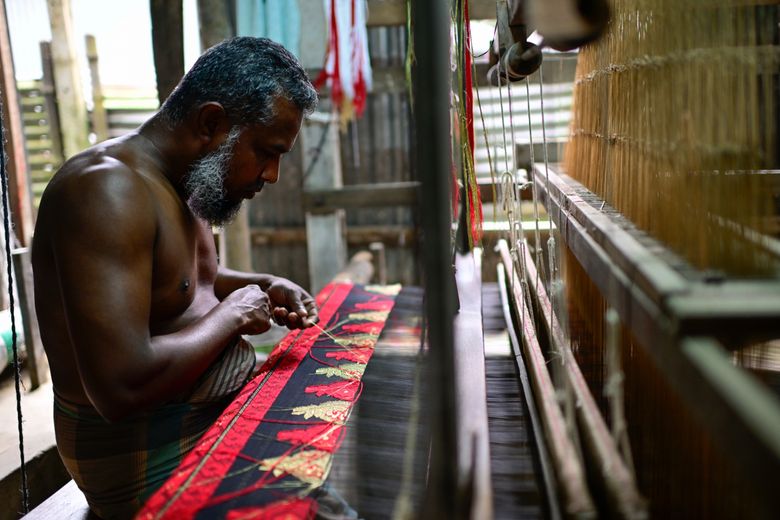
Handloom borders, woven by artisans on traditional looms, feature unique textures, breathability, and subtle imperfections that add soul. They employ millions (with women forming a major share) and preserve cultural techniques.
Machine-made borders deliver uniformity, speed, and affordability via powerlooms, suiting mass production. While convenient, they often lack the depth and authenticity of handcrafted work. Handlooms remain preferred for premium, heirloom-quality ethnic wear.
Modern Fashion Trends in Borders (2025–2026)
Current trends fuse heritage with innovation:
- Minimalist thin borders on lightweight organza for effortless daily elegance.
- Sheer and metallic accents for subtle sparkle in festive wear.
- Pre-draped and corset-style sarees with asymmetric or ruffled edges.
- Revival of Banarasi and temple motifs in contemporary cuts.
- Fusion drapes blending ethnic with modern silhouettes.
These evolutions make designer borders for sarees versatile for global lifestyles
Styling Tips – Which Borders Suit Which Fabrics and Outfits
- Silk/Chanderi — Opt for zari, brocade, or temple borders to enhance shine; ideal for weddings with statement jewelry.
- Cotton/Georgette — Gota patti, printed, or lace for lightweight grace; thin borders (under 1.5 inches) flatter pear shapes.
- Heavy Bridal Lehengas — Wide resham or contrast borders to match opulence; pair with minimal blouses.
- Everyday Suits/Kurtis — Subtle jacquard or contrast for sophistication without excess.
- Fusion Looks — Lace or scalloped edges; belt sarees for a modern twist.
Always balance border weight with fabric—delicate for airy, bold for structured—to flatter your silhouette.
Sustainable and Eco-Friendly Borders in Ethnic Fashion


