

1. Pashmina Shawl – The Luxury of Nature’s Finest Fiber
Pashmina (from Persian "pashm" meaning wool) is made from the ultra-fine undercoat of Changthangi goats living above 14,000 feet in the Himalayas. The fiber is 12–15 microns thick—about one-sixth the width of human hair—making it exceptionally soft, lightweight, and warm due to excellent air-trapping properties.
Authentic pashmina is hand-spun and handwoven on traditional looms. It passes the famous "ring test" (pulling through a finger ring) as proof of genuineness. Historically gifted to royalty, it remains a premium winter essential for its breathability and elegant drape.


2. Kani Shawl – Tapestry Weaving Without Embroidery
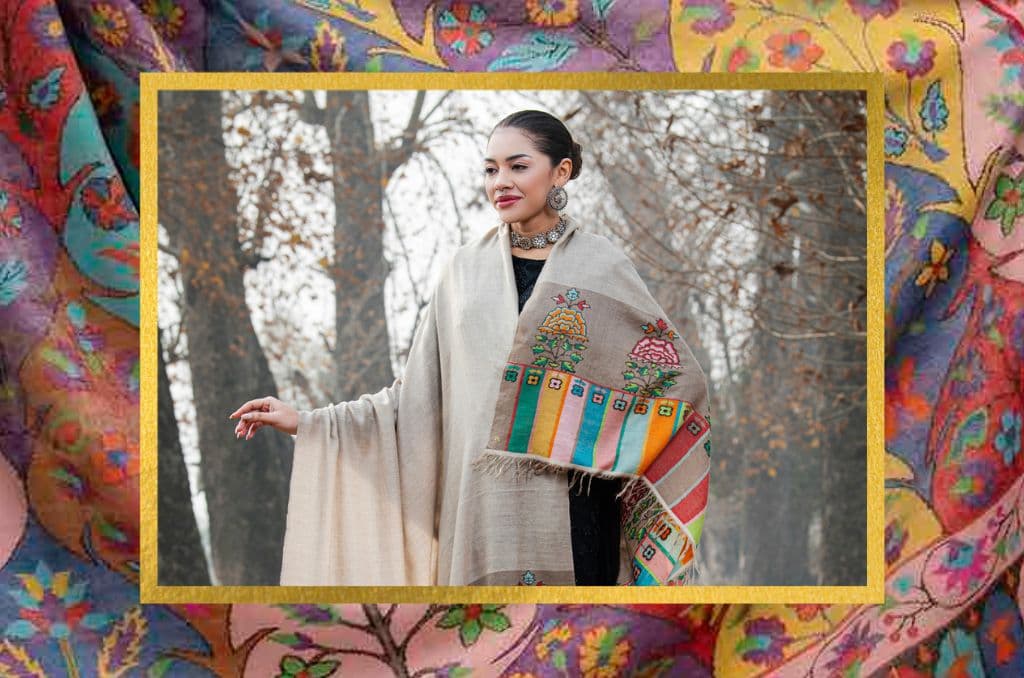
Kani shawls use the twill-tapestry technique, where colored weft yarns are interlocked to create intricate patterns directly in the weave—no needlework involved. Artisans from Kanihama village in Kashmir specialize in this, producing motifs like paisleys, chinar leaves, and florals that appear on both sides.
A single Kani shawl can take 6–18 months to complete, reflecting centuries-old Mughal-era craftsmanship. These are true collector's items, valued for their reversible design and labor-intensive process.
3. Jamawar Shawl – Dense Paisley Opulence
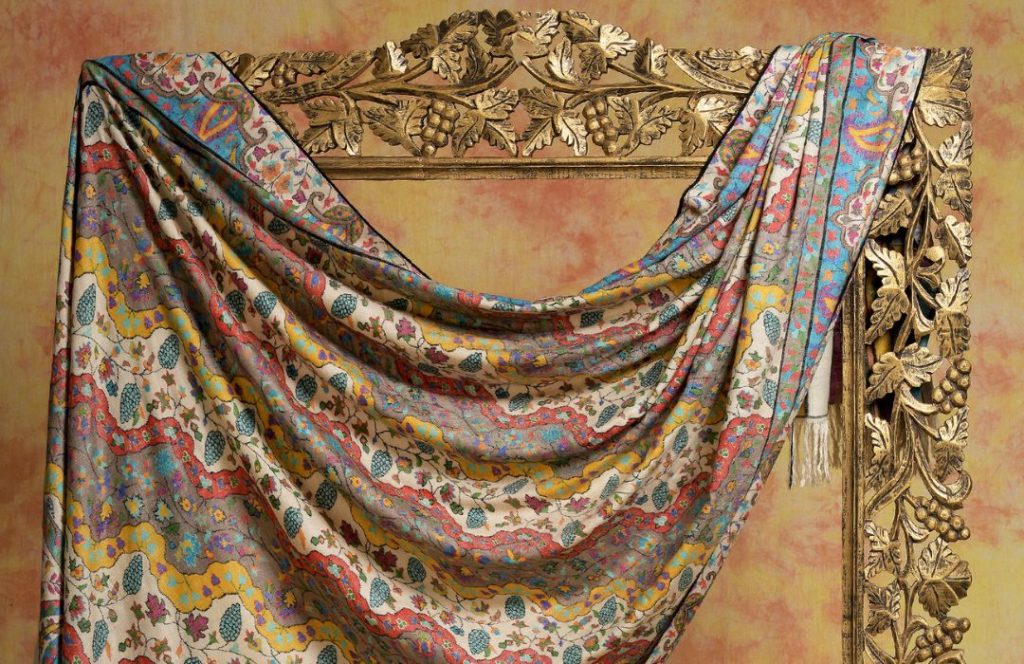
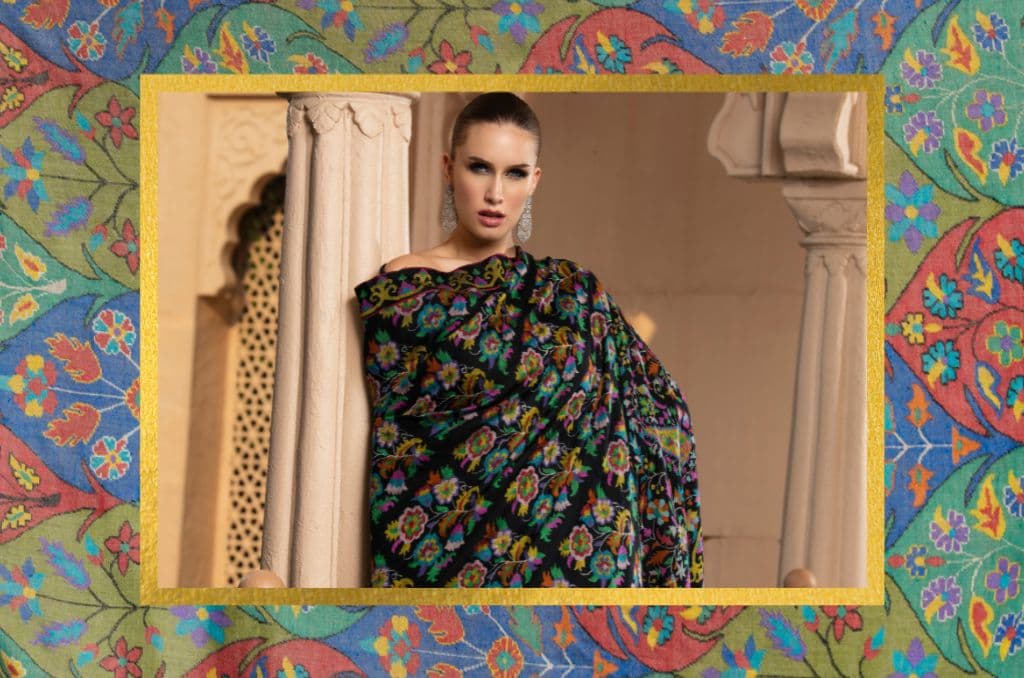
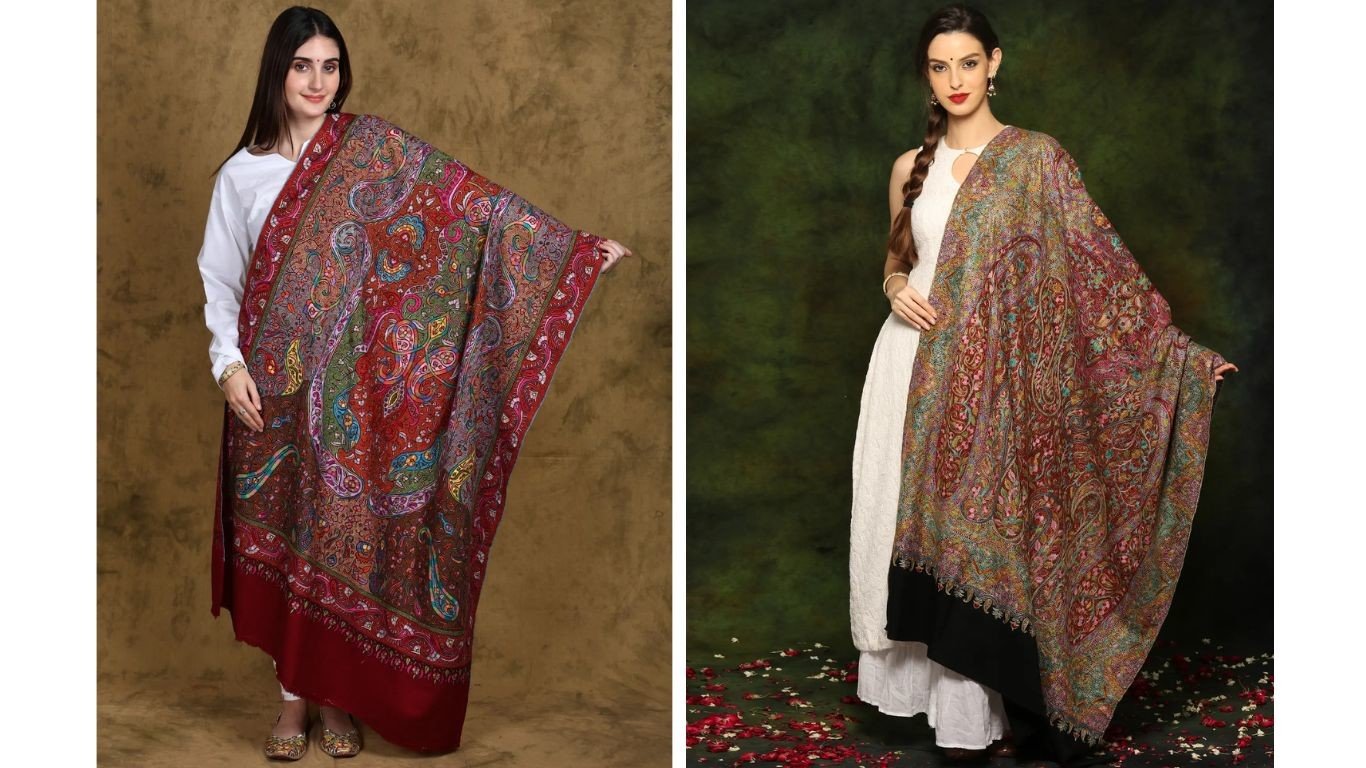
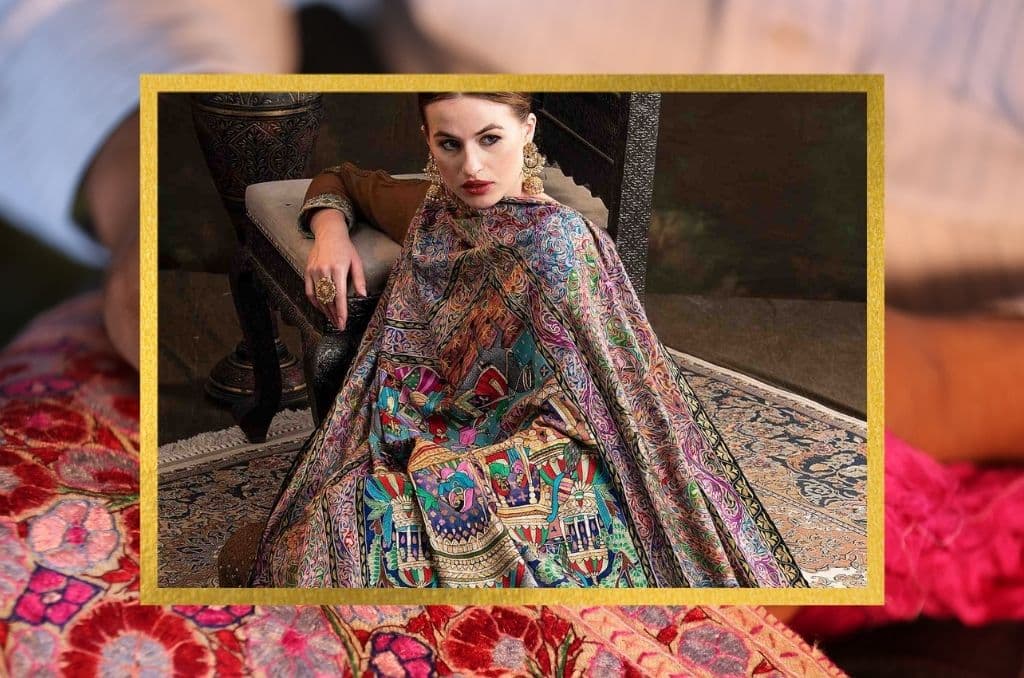
Jamawar (meaning "piece of heaven") features all-over, continuous paisley (buta) and floral patterns, often in rich jewel tones. Originating in the 18th–19th centuries under Mughal and later Sikh patronage, it was woven on pashmina or wool-silk blends using extra weft for brocade-like density.
The seamless flow of motifs symbolizes abundance and was once reserved for nobility. Modern versions remain luxurious statement pieces for festive occasions.

4. Sozni Shawl – Masterful Fine Embroidery
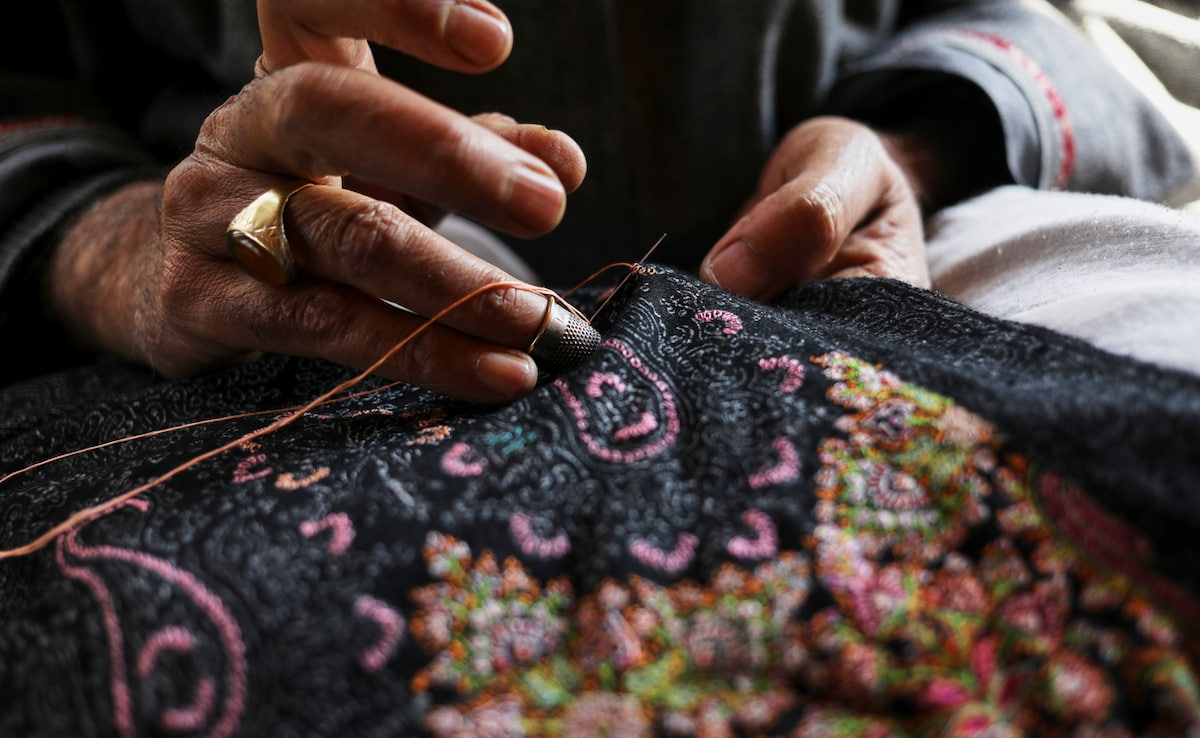
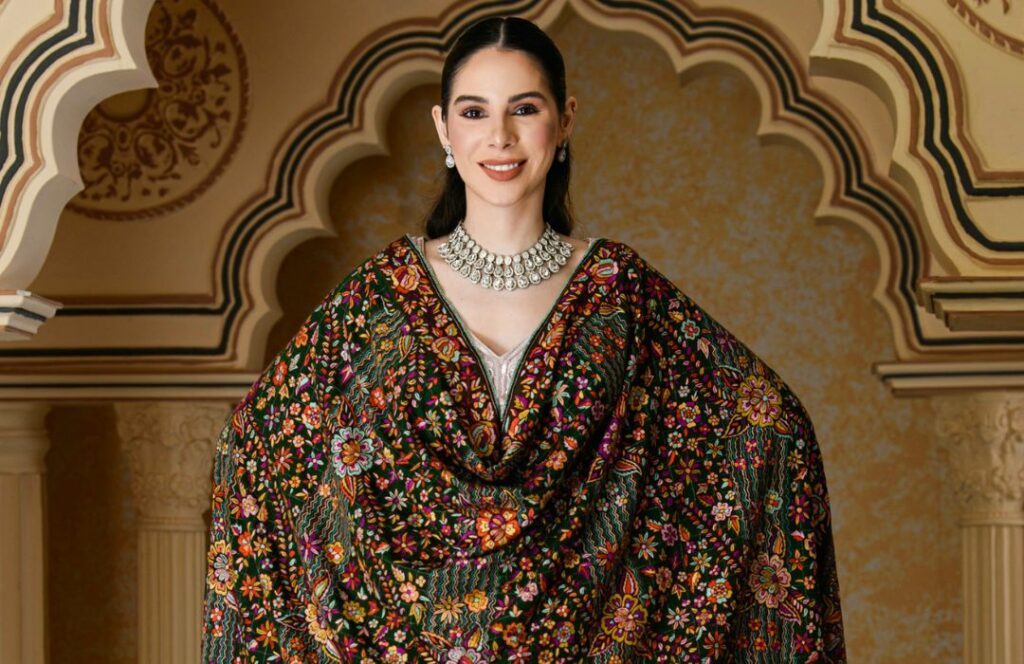
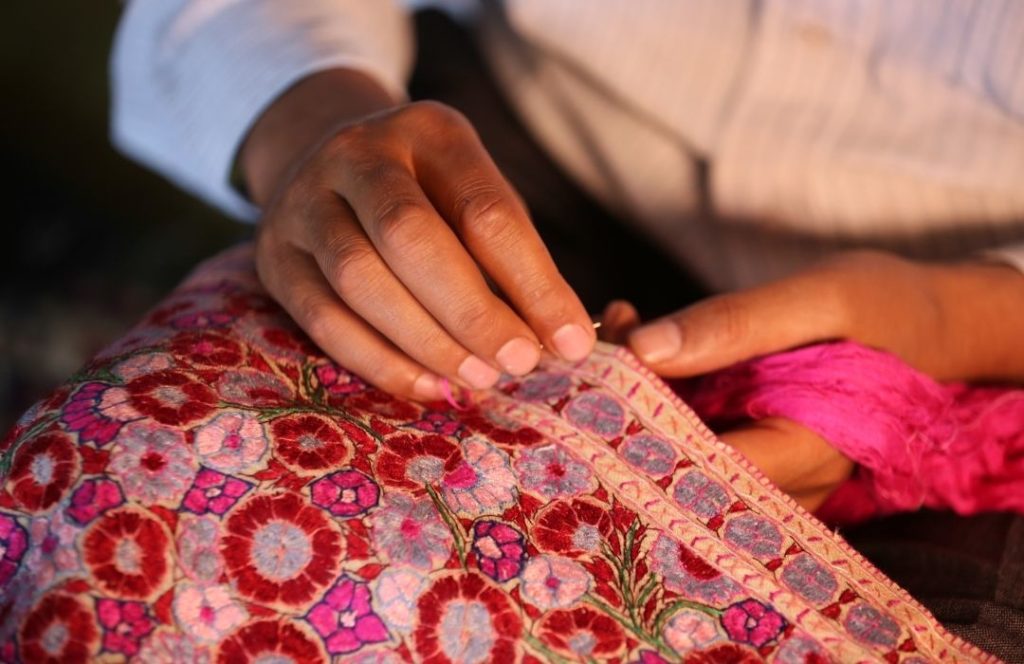
Sozni is a needlework technique using fine silk or wool threads to embroider delicate, stem-like floral vines and paisleys on a pashmina or wool base. The stitches are so tiny and color-matched that the design appears painted rather than stitched.
Practiced mainly by women in Kashmir, Sozni adds subtle elegance. Borders often feature more elaborate work, making these shawls ideal for sophisticated layering.

5. Phulkari Shawl – Vibrant Punjabi Floral Art
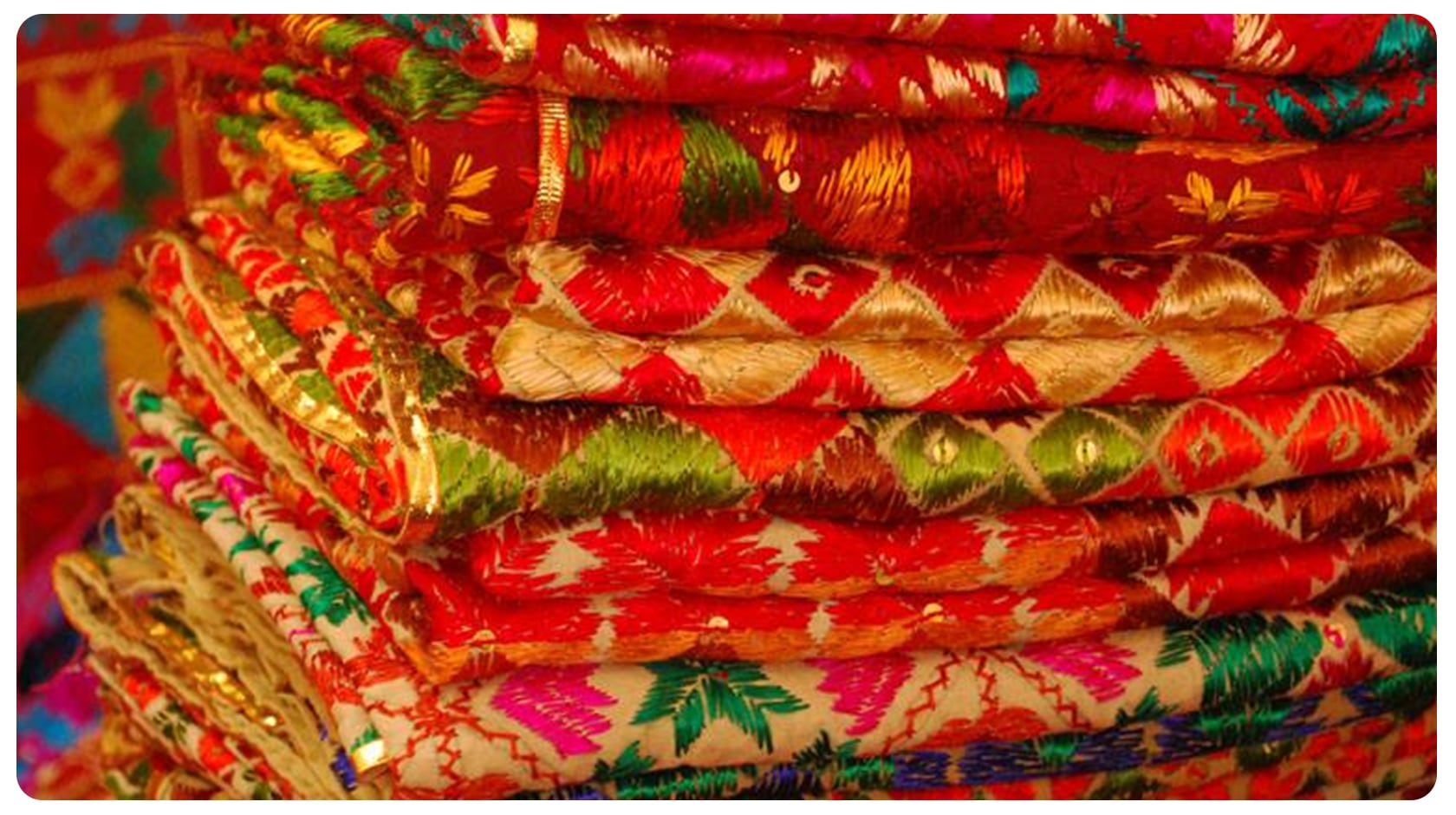
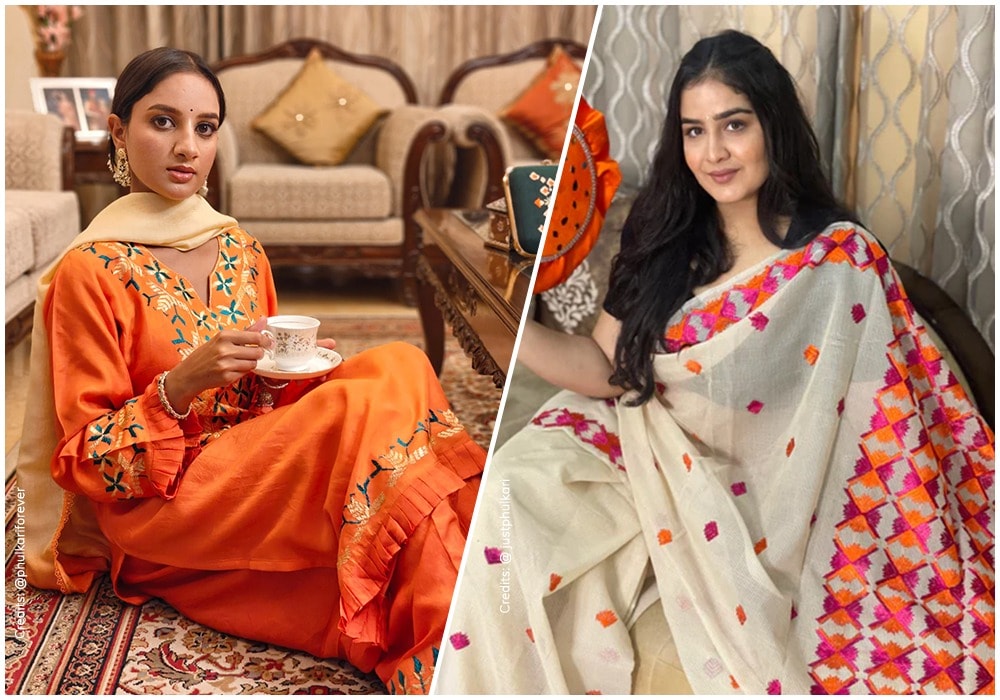
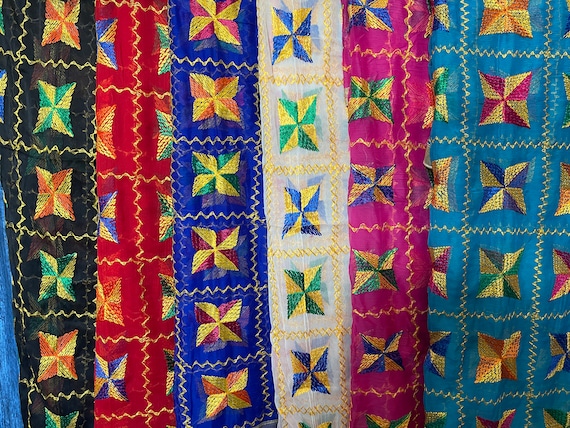
Phulkari ("flower work") is a surface embroidery from Punjab, traditionally done on handwoven cotton or khaddar with silk floss in bold geometric and floral designs. Stitches cover the fabric densely, creating a textured, colorful effect.
Rooted in rural Sikh traditions, it was once made by women for their trousseaus. Today, it brings joyful energy to winter wardrobes.
6. Aari Shawl – Intricate Chain-Stitch Sparkle
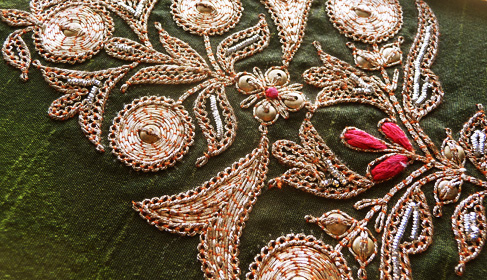
Aari uses a hooked awl (ari) to create continuous chain stitches, often incorporating zari (gold/silver threads), beads, or sequins for shimmer. This technique, influenced by Persian and Mughal styles, adds glamour to wool, silk, or velvet bases.
Popular for bridal and evening wear, Aari transforms simple fabrics into dazzling pieces.

7. Kullu Shawl – Geometric Warmth from the Hills
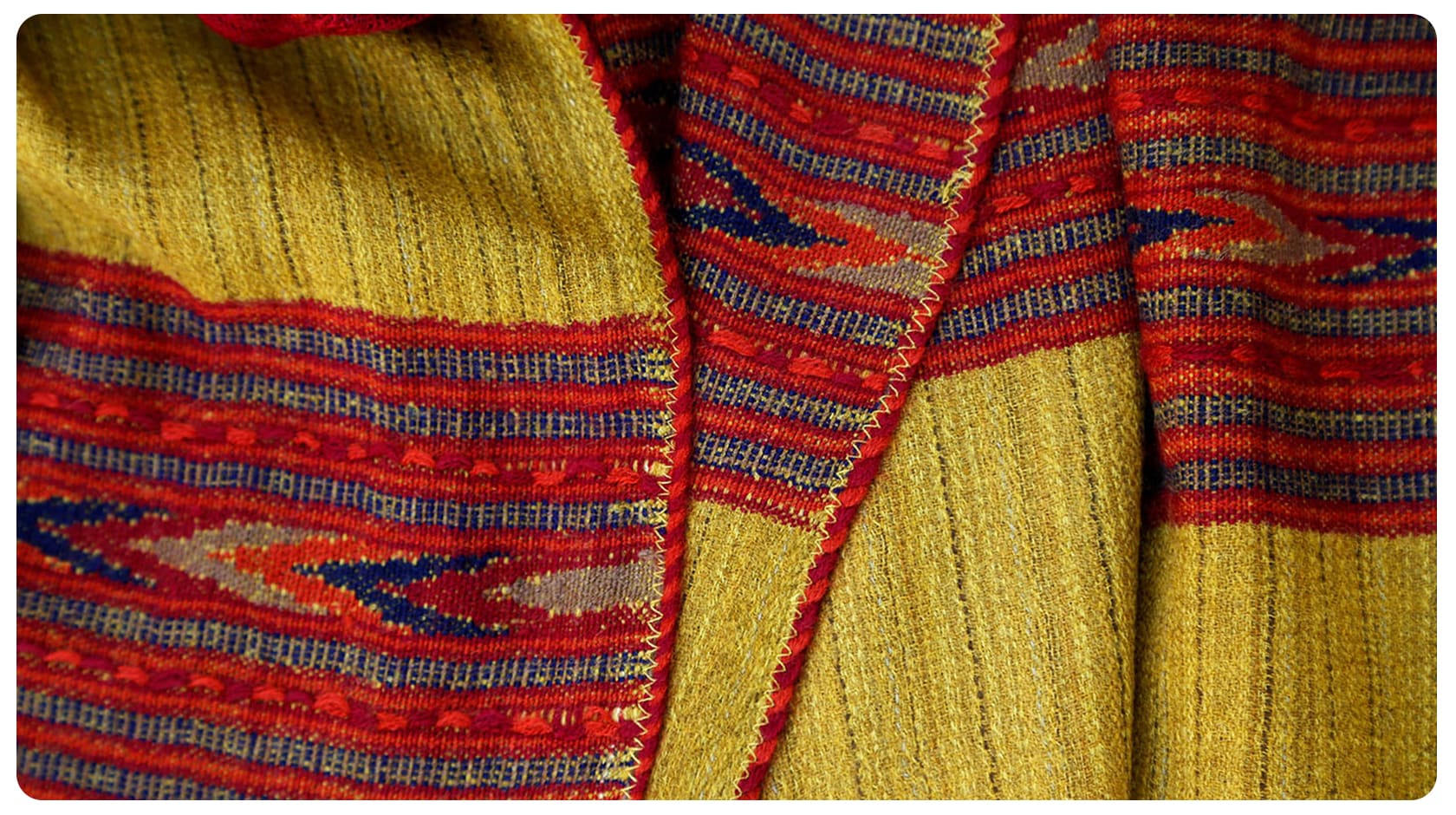
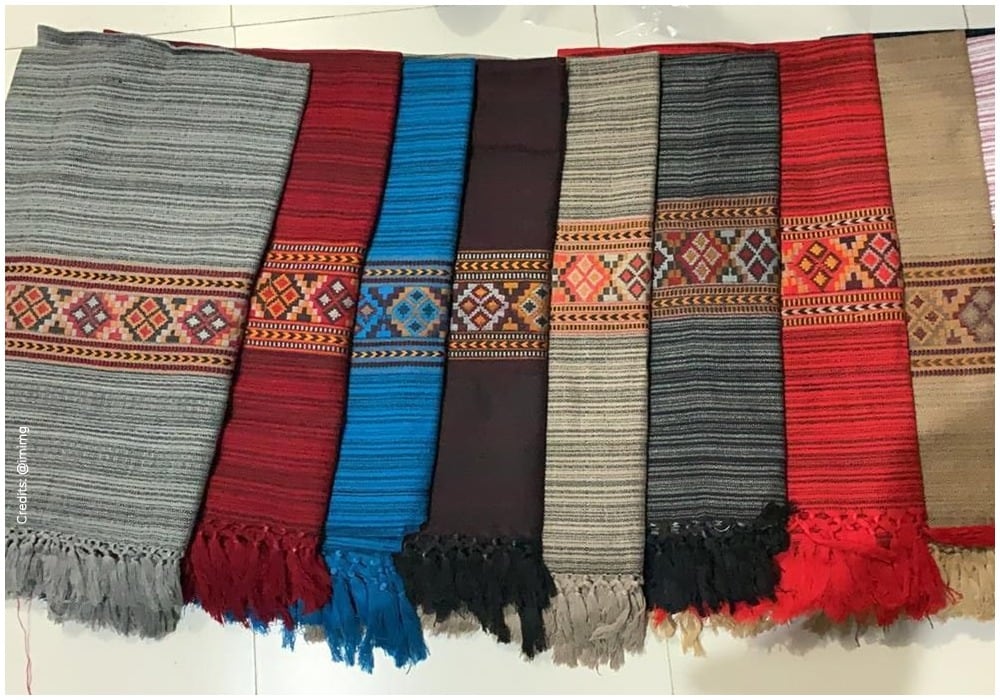
Handwoven in Kullu Valley (Himachal Pradesh) from local sheep wool, these shawls feature bold stripes, checks, and geometric borders dyed with natural or vibrant colors. The thick weave provides excellent insulation.
Community-based weaving sustains livelihoods while offering practical, everyday winter protection.
8. Silk Shawl – Timeless Sheer Sophistication
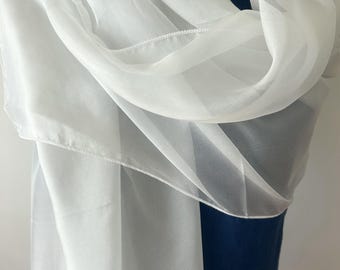
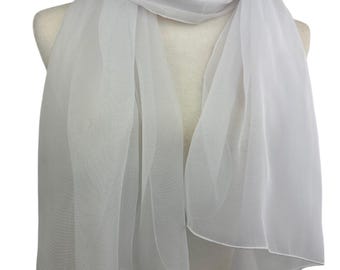
Indian silk shawls (chiffon, crepe, or satin) are lightweight, lustrous, and versatile. Often hand-dyed or block-printed, they provide elegance without bulk—ideal for milder days or as accessories.
Silk's natural sheen and drape make it a year-round favorite in formal and bridal contexts.
These shawls represent living traditions—each thread tells a story of skill, region, and resilience. Next time you drape one, remember you're wearing centuries of craftsmanship.


