

Fabric printing transforms plain textiles into eye-catching, patterned materials through various techniques that apply colors, designs, and images. From ancient handcrafted methods to cutting-edge digital processes, printing on fabric has shaped fashion, home decor, and more for centuries.
This versatile craft allows creators to express creativity while meeting practical needs in clothing, interiors, and promotional items.


Printed fabrics serve both aesthetic and functional purposes across industries.
In Fashion and Apparel, they create standout clothing like dresses, shirts, scarves, and activewear. Patterns add personality, enable seasonal collections, and support branding through custom logos.
Home Textiles benefit hugely — think curtains, bedding, cushions, upholstery, and table linens. Printed designs help personalize living spaces and coordinate room themes.
For Promotional and Branding, companies rely on printed t-shirts, bags, banners, and flags to spread messages at events or as merchandise.
DIY and Accessories enthusiasts use printed fabrics for crafts, patches, reusable bags, and personalized gifts.
In functional areas, prints appear in medical textiles, automotive interiors, or sportswear with performance features like moisture-wicking patterns.
These applications show how printing enhances beauty, identity, and utility in daily life.
Exploring the Main Types of Fabric Printing
Here are the most popular techniques, each with unique characteristics.
1. Block Printing
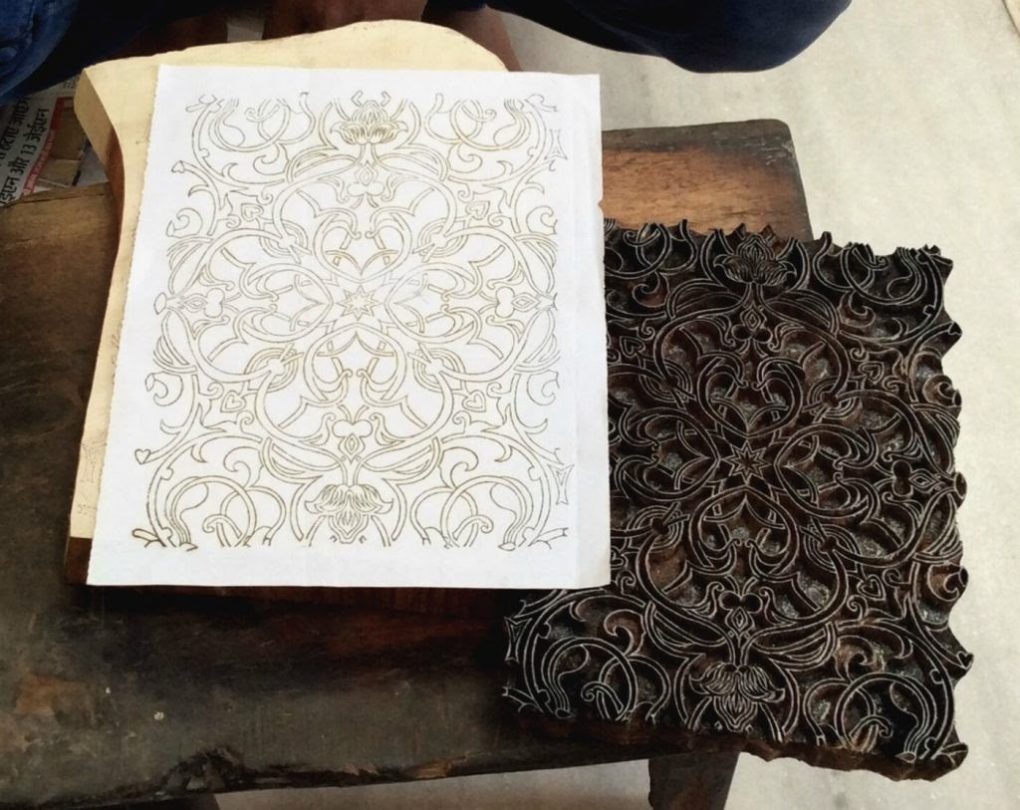
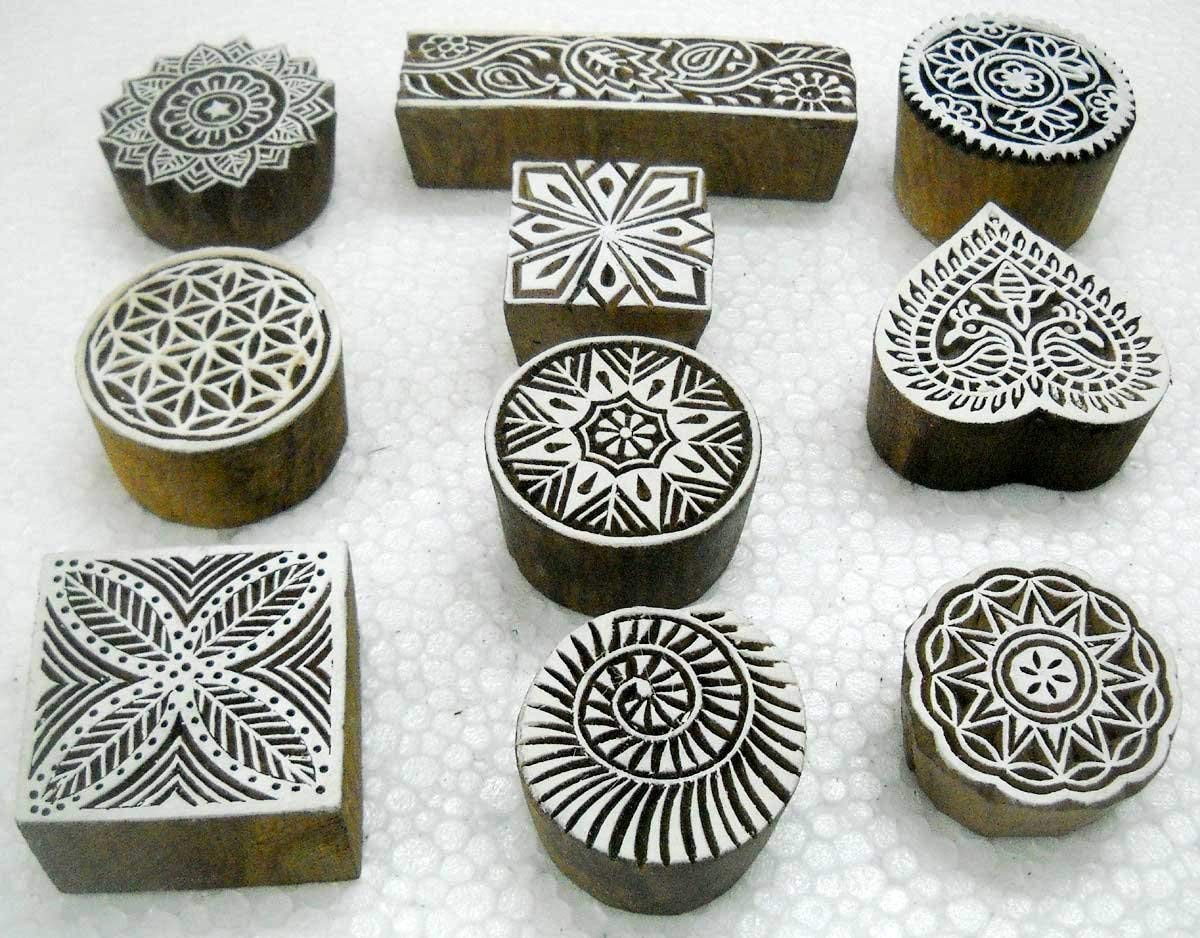
This traditional handcraft uses carved wooden blocks dipped in dye and stamped onto fabric. Originating in places like India, it produces artisanal, slightly imperfect patterns with a tactile feel.
Ideal for small runs, ethnic wear, or home decor.

2. Screen Printing
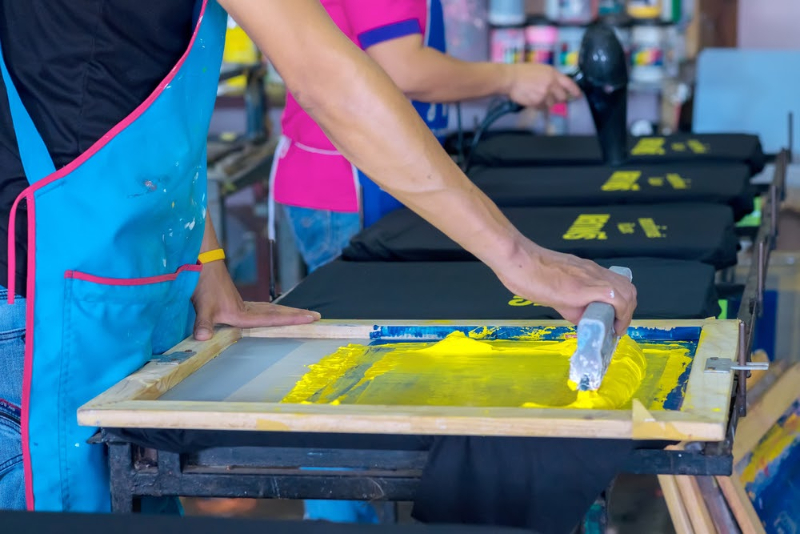
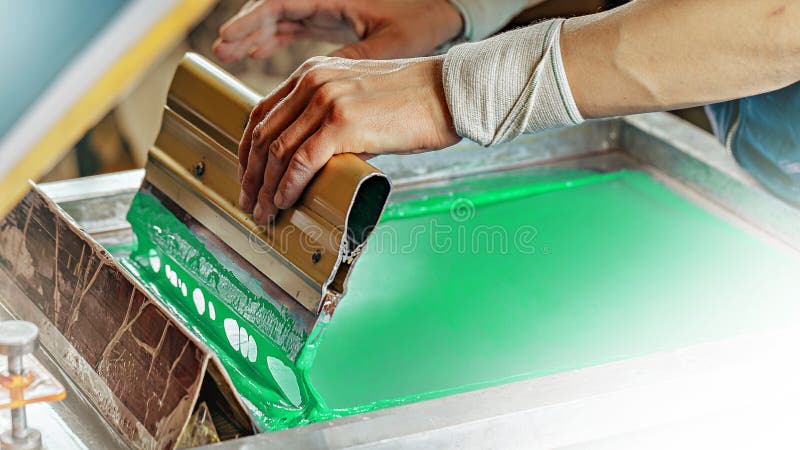
A stencil on a mesh screen allows ink to pass through only in design areas, pushed by a squeegee. It excels at bold, multi-color designs and is widely used for apparel.
Great for durable, vibrant prints on t-shirts and bags.
3. Digital Printing
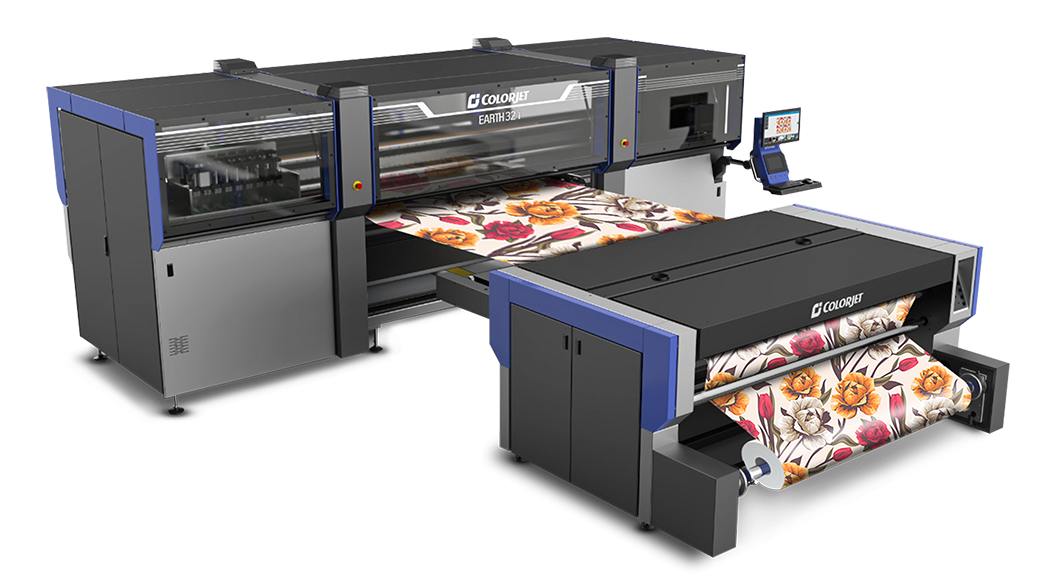
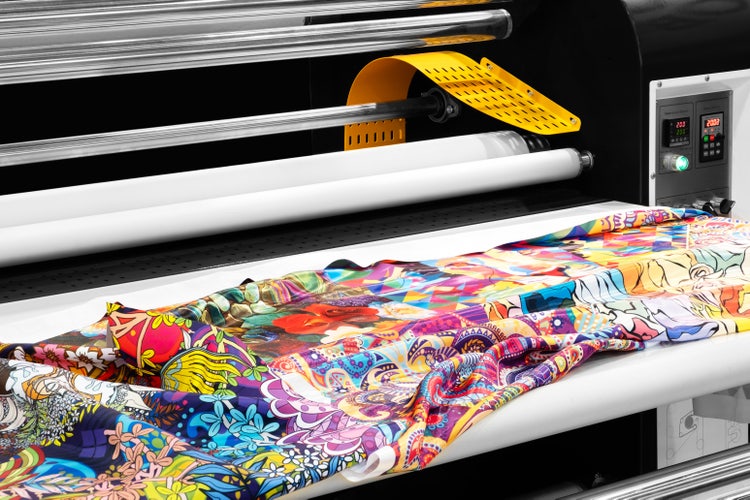
Inkjet technology prints directly onto fabric, offering photorealistic detail and unlimited colors without screens or plates. Perfect for complex, custom designs and short runs.
Modern machines handle rolls of fabric efficiently.
4. Roller Printing
Industrial engraved cylinders apply patterns continuously as fabric passes through. This high-speed method suits large-scale production with consistent results.
Common in mass-market bedding and apparel fabrics.


5. Heat Transfer Printing
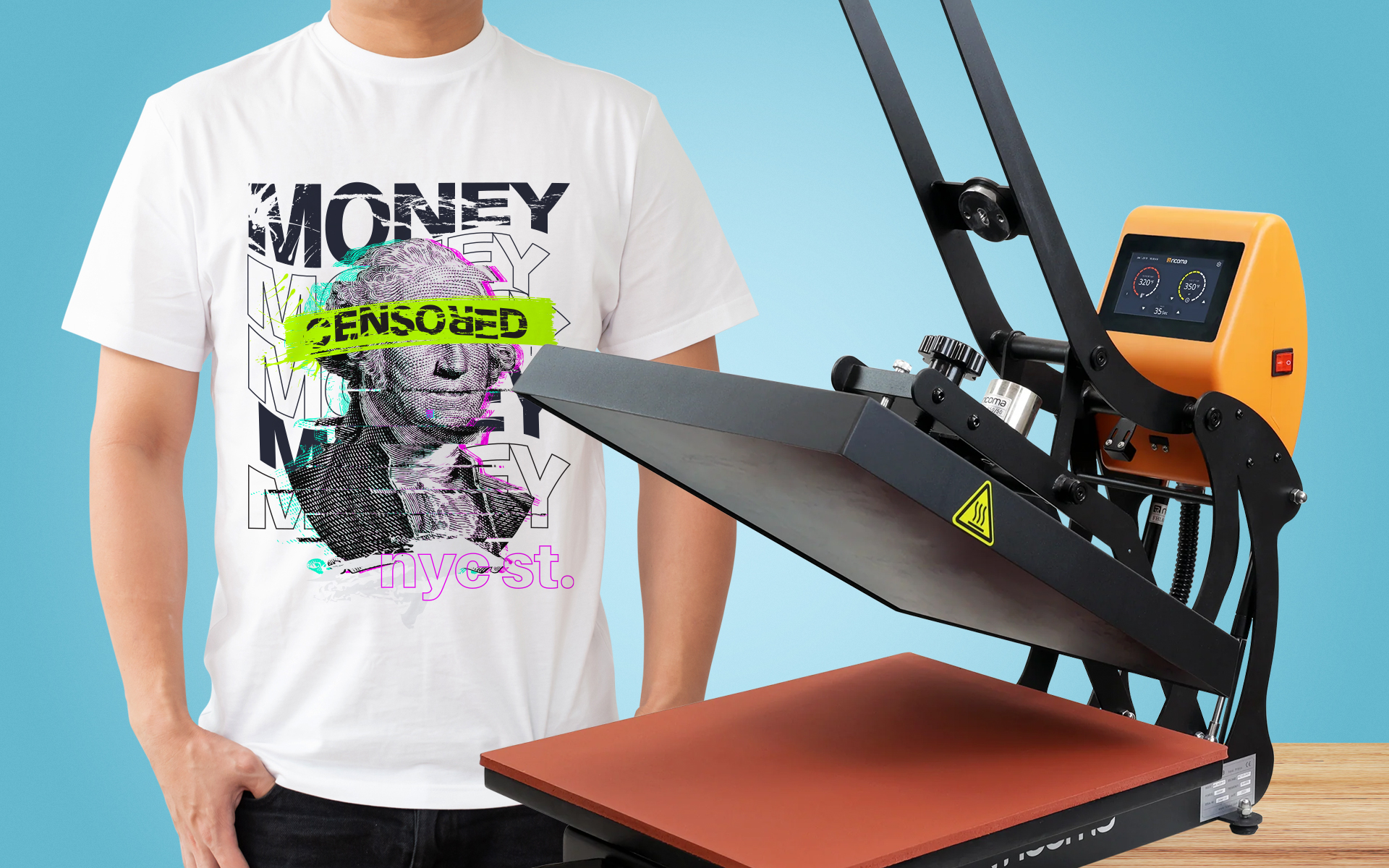
Designs printed on transfer paper are pressed onto fabric with heat, often using dye sublimation for polyester. It delivers bright, detailed graphics.
Popular for sportswear and promotional items.

6. Discharge Printing
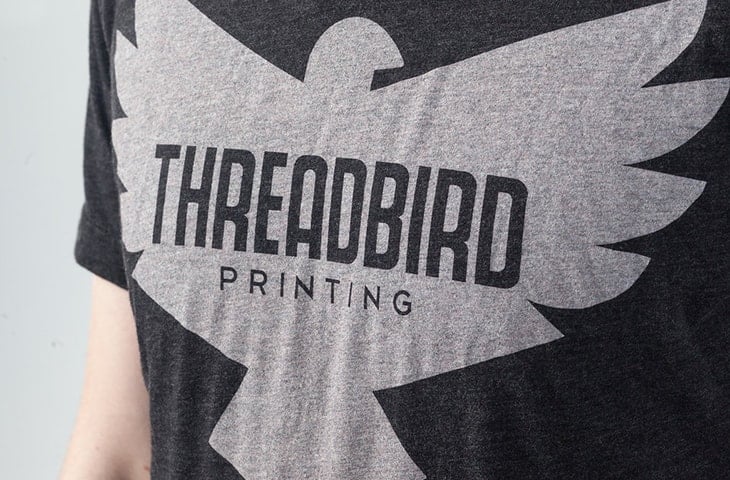
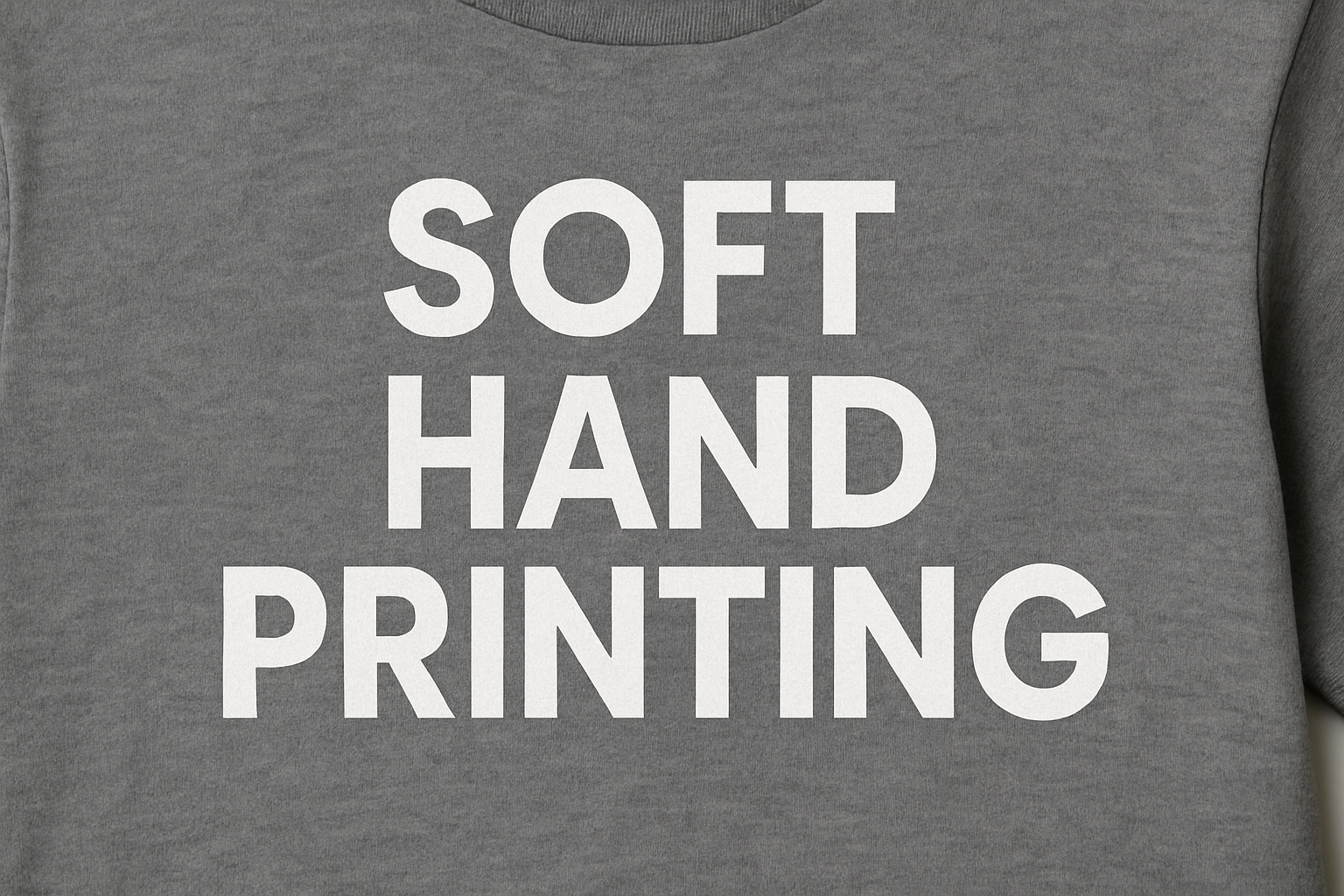
A special ink removes dye from pre-colored (usually dark) fabric, creating soft, breathable designs that feel like the base material.
Favored for vintage-style t-shirts with a premium hand feel.
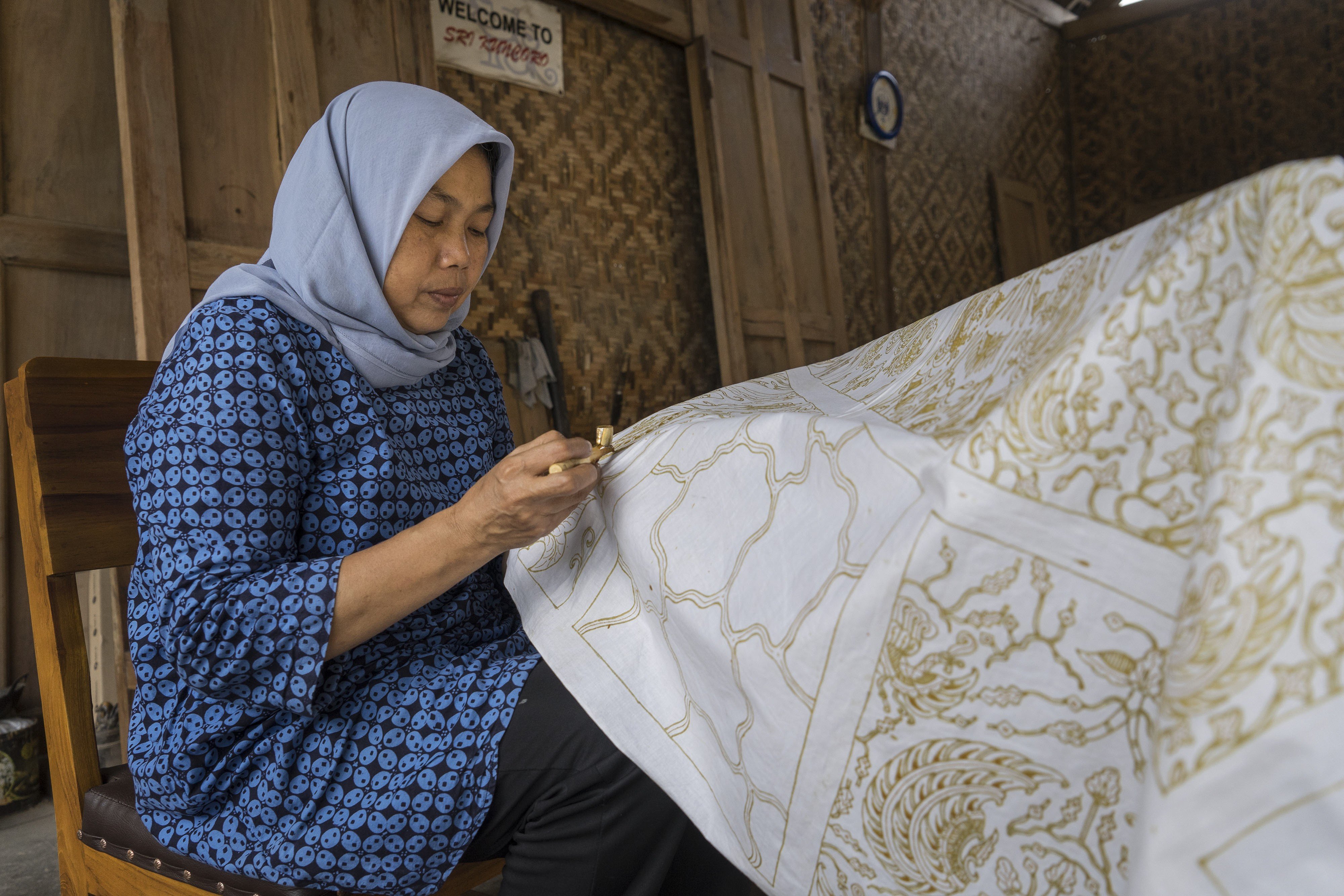
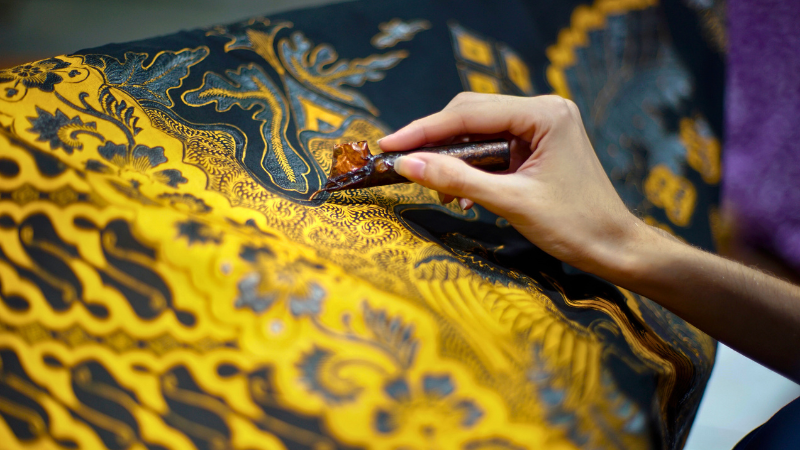
7. Resist Printing (Batik)
Wax or other resists block dye in selected areas, creating intricate, multi-layered patterns after multiple dyeing steps. Famous in Indonesian and African traditions.
Best for artistic, cultural textiles like sarongs.
 Fabric printing blends tradition with technology, offering endless ways to bring ideas to life on textiles. Choosing the right method depends on design complexity, quantity, fabric type, and desired feel.

