

Gujarat's Ancient Tie-Dye Tradition to Every Bride's Cherished Heirloom
If you've ever been to a Gujarati wedding or simply admired the vibrant sarees that grace bridal photos, chances are you've come across the stunning Gharchola saree. This isn't just any piece of clothing—it's a symbol of love, prosperity, tradition, and incredible craftsmanship. Today, let's dive deep into what makes the Gharchola so special, where it comes from, why it's so loved, and how it's lovingly brought to life.
What Exactly is a Gharchola Saree?
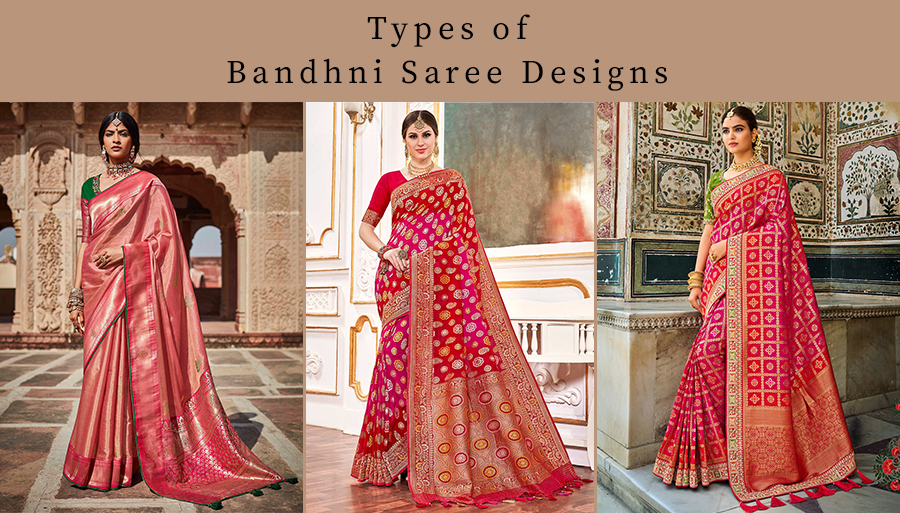
Gharchola (sometimes spelled Garchola or Gharchola) is a traditional bandhani (tie-dye) saree from Gujarat, instantly recognizable by its signature checked grid pattern filled with tiny white dots, vibrant colors, and often gold zari borders. The name itself tells a beautiful story: "Ghar" means home, and "Chola" refers to attire—so Gharchola literally symbolizes the bride's new beginning in her husband's home.
These sarees typically feature auspicious motifs like elephants (for strength and royalty), peacocks (for beauty), lotuses, flowers, or even small religious symbols. The classic color combo is bright red with white dots and gold accents, though green and other shades are also popular.
Here are some gorgeous examples of traditional red Gharchola sarees that capture their festive spirit:
 And a closer look at the intricate bandhani dots and motifs: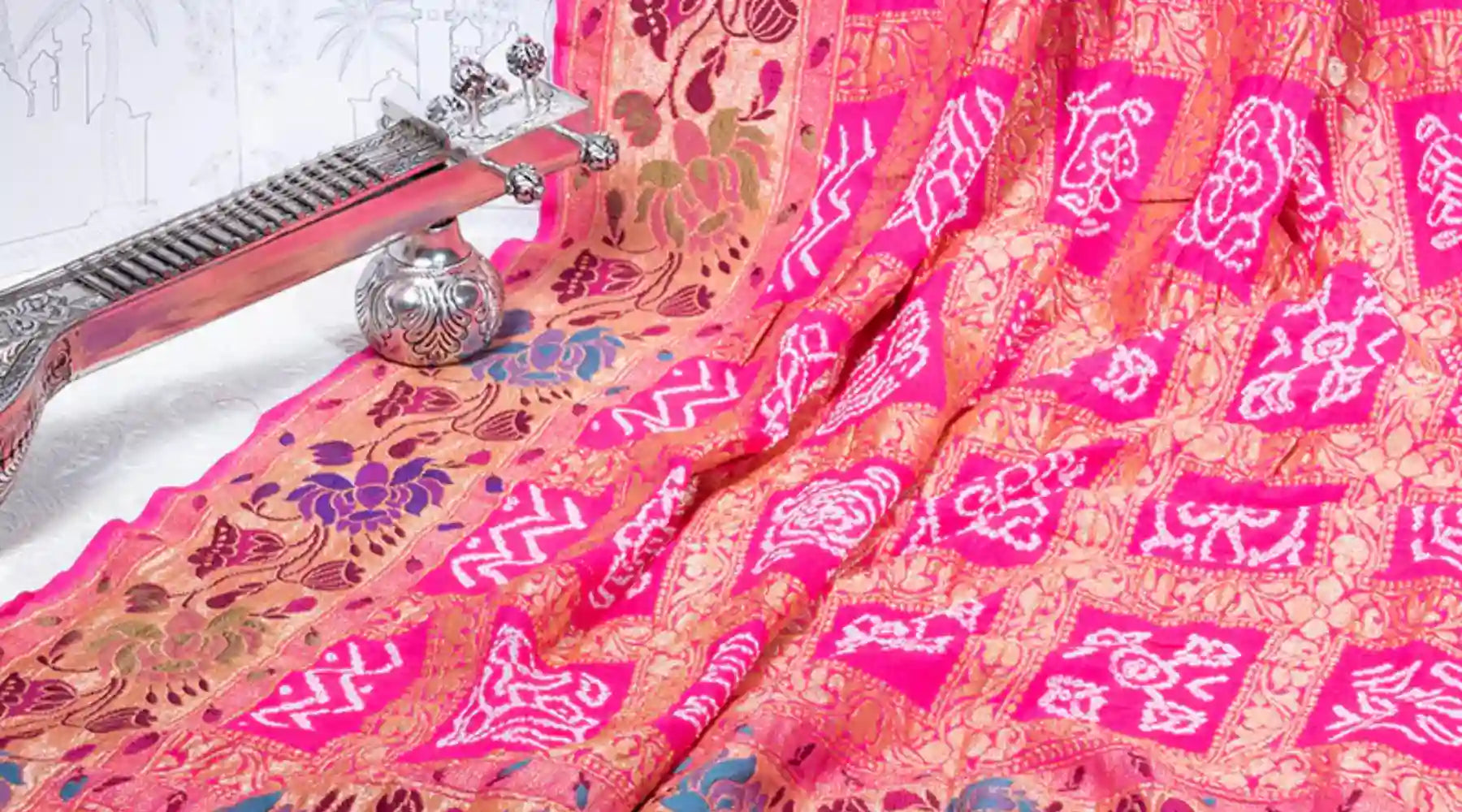
The Roots: Where Does Gharchola Come From?
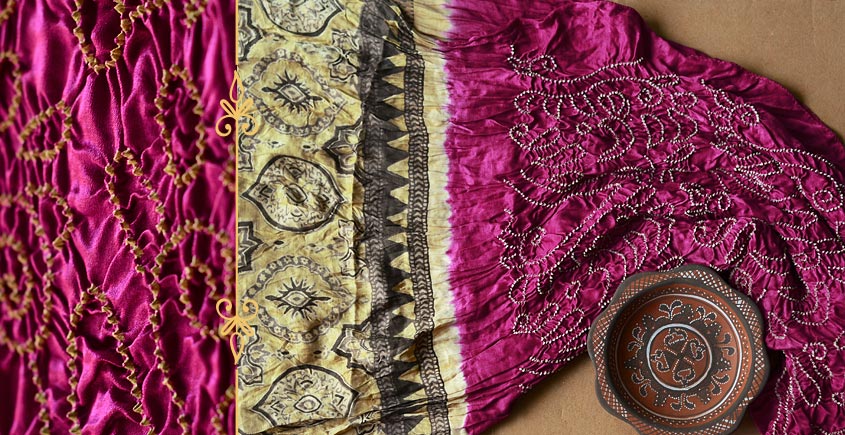
The Gharchola hails from the vibrant state of Gujarat, especially regions like Jamnagar, Bhuj, Kutch, and Saurashtra—areas famous for their bandhani and textile heritage. The tie-dye technique itself has ancient origins, with evidence of similar practices in the Indus Valley Civilization (around 4000 B.C.!). Over centuries, it evolved into the refined art we see today, nurtured by skilled artisan communities, particularly in Hindu and Jain families.
This saree became deeply tied to wedding customs in Gujarati culture, passed down as family heirlooms that carry blessings and memories across generations.
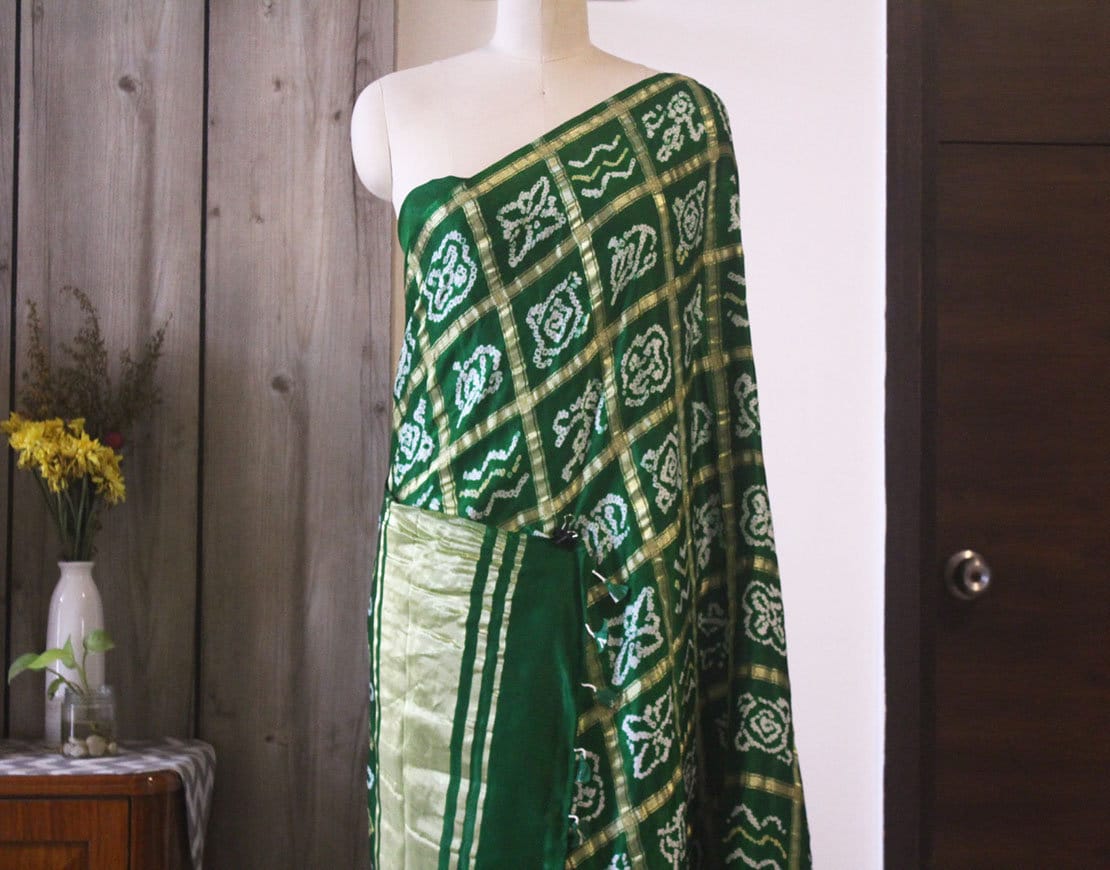
A beautiful green variation that shows how versatile the style can be:

Why is the Gharchola So Special? Its Cultural Role
In Gujarati weddings, the Gharchola holds immense significance. It's traditionally gifted by the groom's mother to the bride during pre-wedding rituals as a heartfelt blessing for a happy, prosperous married life. Red symbolizes joy, energy, and auspiciousness, while the checked pattern and motifs are believed to bring good fortune.
Brides often wear it during key ceremonies and drape it in the classic Gujarati style (with the pallu tucked at the back for a graceful look).
Here are some lovely images of Gujarati brides in their Gharchola sarees:
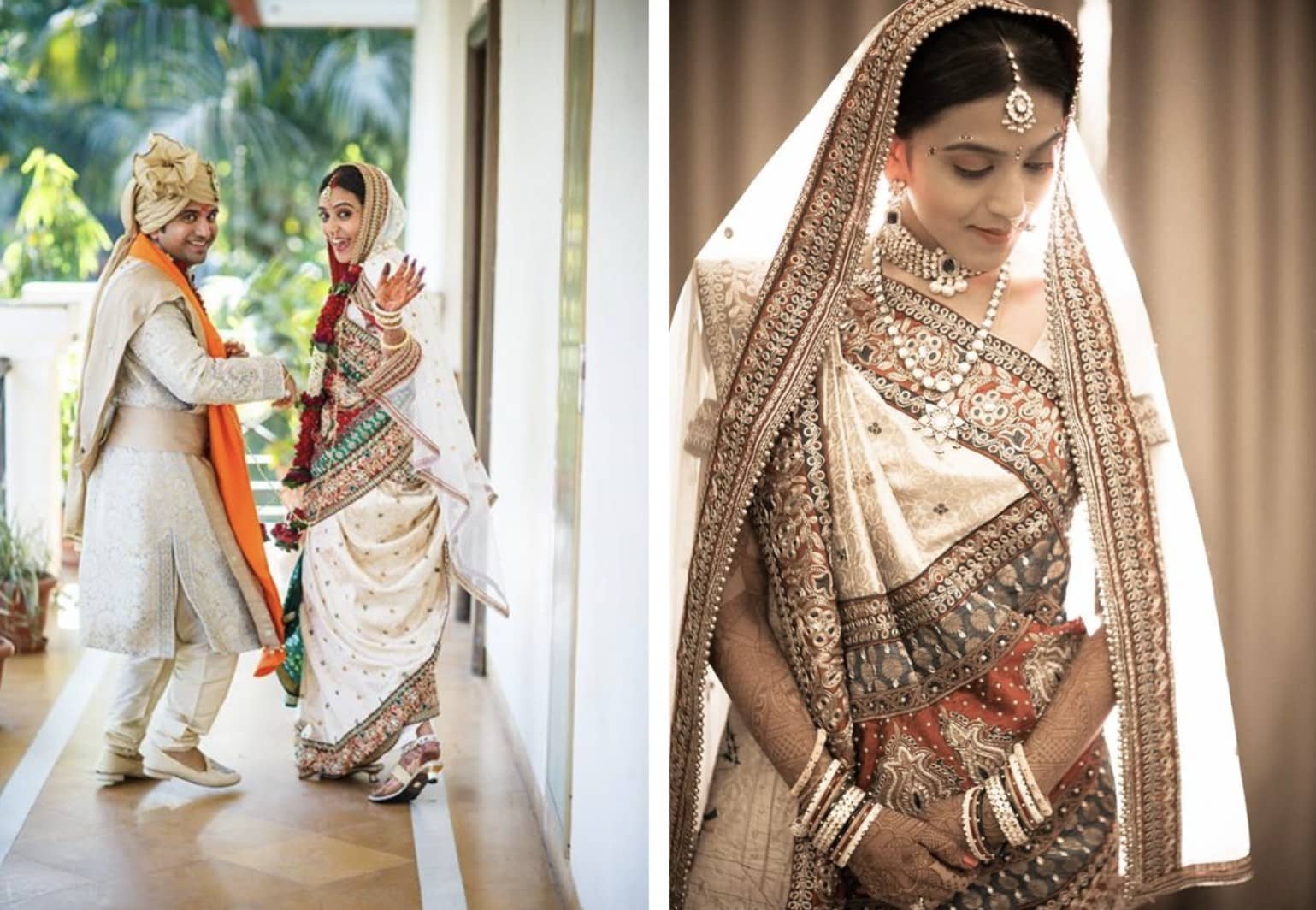
 Today, while it's still a wedding staple, modern adaptations include Gharchola-inspired lehengas, dupattas, and even fusion outfits for festive occasions.
The Magic Behind the Making: How Gharchola Sarees Are Crafted
Creating a Gharchola is a labor of love that combines weaving and the ancient bandhani technique—often taking weeks or even months.
- Weaving the Base — Artisans first weave silk or cotton fabric on a loom, incorporating gold or silver zari threads to form the characteristic grid/check pattern (commonly 12x11 or similar).
- Bandhani (Tie & Dye) — Skilled hands pinch and tightly tie tiny portions of the fabric with thread to create resist areas. The fabric is then dyed in stages—starting lighter and building up to the final vibrant red or green. When the ties are removed, those perfect white dots appear like magic!
- Finishing — Borders get extra zari work, embroidery, or hand-painted motifs. The pallu (end piece) often features elaborate designs.
Here's a glimpse into the artisan process:
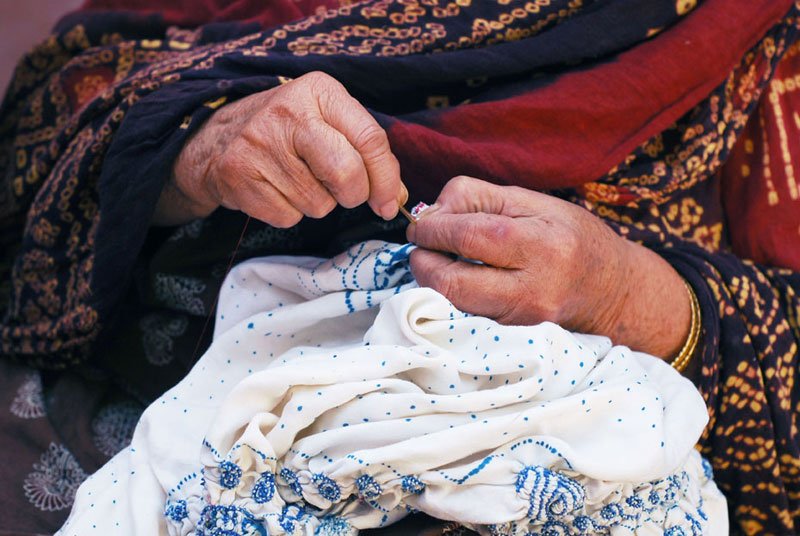
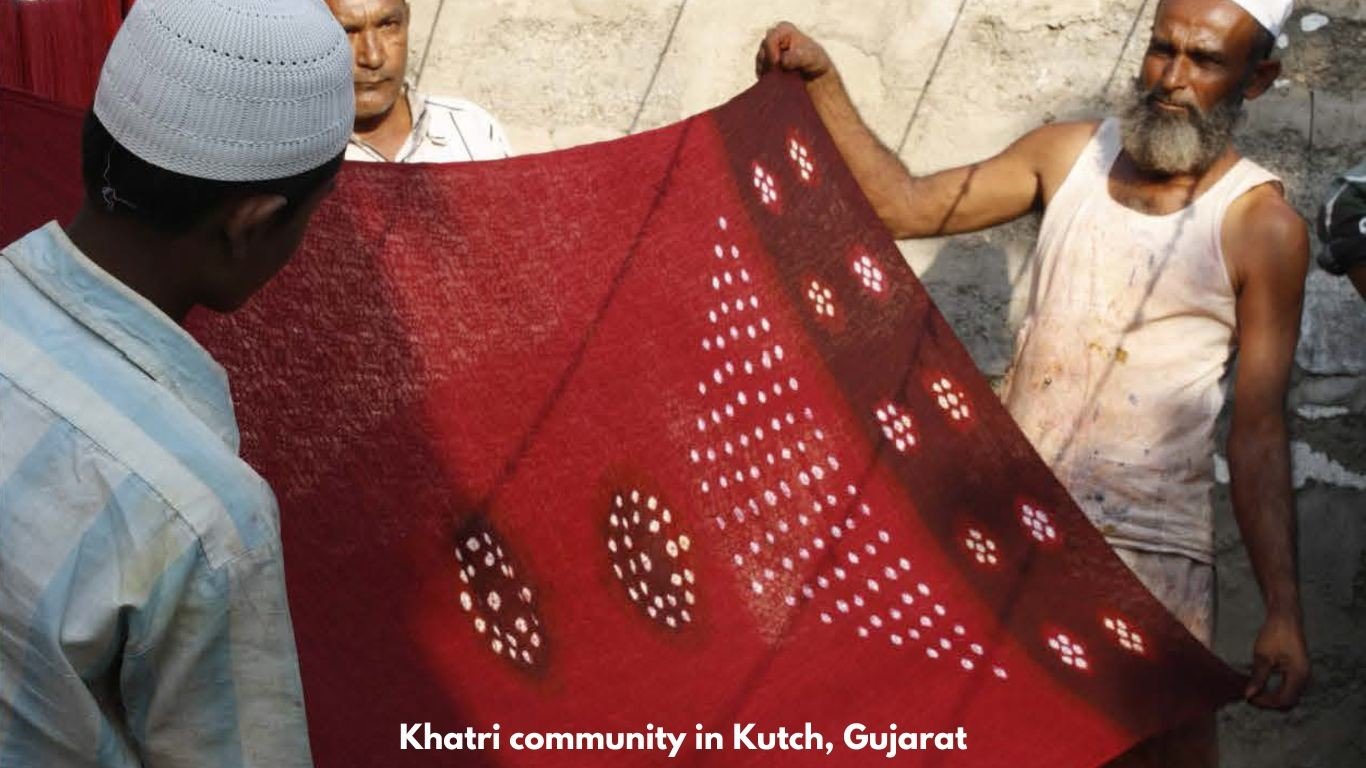 This handcrafted beauty makes every Gharchola unique—no two are exactly alike!
Gharchola sarees are more than fabric; they're threads of tradition, family love, and artistic heritage woven together. Whether you're a bride-to-be, a saree lover, or just someone who appreciates Indian culture, there's something truly magical about them.\


