

How to Identify a Genuine Antique Saree
Antique sarees are not just garments—they are living pieces of history. Each thread carries the story of a region, a craft tradition, and the hands that created it. But with rising demand for vintage and sustainable fashion, the market is also flooded with replicas and machine-made imitations.
So how do you truly identify a genuine antique saree? This guide will help you confidently distinguish real heritage textiles from modern reproductions—just like an expert.
🧵 1. Understand the Fabric First

The first step is always the fabric test. Authentic antique sarees are usually made using natural fibers and handwoven methods that age gracefully over time.
What to check:
- Natural fibers: Authentic antique sarees are usually made of silk, cotton, wool, or blends.
- Irregular weave: Handwoven fabrics are never perfectly uniform.
- Soft aging: Vintage textiles develop a natural softness over time.
✨ 2. Examine the Zari Work

Zari is one of the biggest indicators of authenticity.
Real antique zari:
- Made with silver or gold-plated threads
- Develops a slightly dull, antique finish
- May show oxidation or darkening with age
Fake zari:
- Too shiny or plastic-like
- Uniform metallic color
- No visible signs of aging
🪡 3. Look at the Weaving Technique

Handloom sarees carry subtle imperfections that machines cannot replicate. Antique sarees were almost always handcrafted, not mass-produced.
Signs of handloom:
- Slight pattern misalignment
- Tiny thread inconsistencies
- Variation in motifs
Machine-made signs:
- Perfect symmetry
- Repetitive identical patterns
🎨 4. Study the Design & Motifs

Every region in India has a unique design language, and authentic antique sarees reflect that cultural identity beautifully.
Examples:
- Banarasi – Mughal-inspired florals and paisleys
- Kalamkari – Hand-painted mythological scenes
- Phulkari – Dense geometric embroidery
- Ikat – Blurred dye patterns
⏳ 5. Check for Natural Aging Signs

True antique sarees will usually show gentle signs of age.
Common indicators:
- Slight fading
- Minor stains or patina
- Tiny pinholes from storage or time
🔥 6. Perform the Burn Test (Advanced)
⚠️ Only test a very small loose thread if available.
- Silk → smells like burnt hair, leaves ash
- Cotton → smells like paper, leaves soft ash
- Synthetic → melts into hard plastic
🧠 7. Source Matters More Than You Think
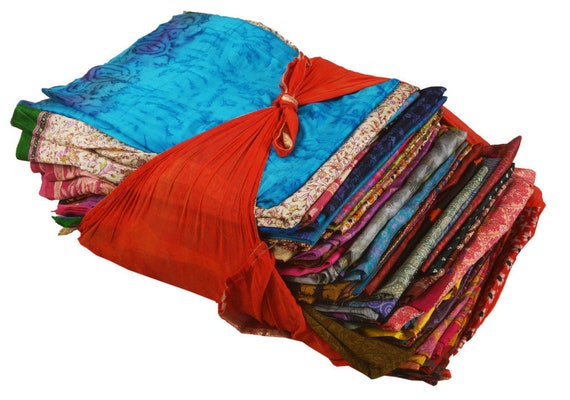
Where you buy from is just as important as what you buy. A trustworthy seller makes antique textile buying far more transparent and reliable.
Trusted sellers will:
- Share clear images and close-ups
- Be transparent about defects
- Provide fabric details and origin
- Offer video calls or live QC
🌿 Why Antique Sarees Are Worth It
- Sustainable and eco-friendly
- One-of-a-kind pieces
- Rich cultural heritage
- Higher craftsmanship value
Owning an antique saree is like owning a piece of history you can wear or create with.
OUR BRAND
Identifying an authentic antique saree is a blend of knowledge, observation, and experience. Once you train your eye, you will start seeing the difference instantly—the softness of aged fabric, the depth of real zari, and the soul of handmade craftsmanship.
At Sanskriti Vintage India, we believe in preserving these stories and making them accessible to creators, designers, and collectors worldwide.
Every piece is handpicked, quality-checked, and carries a story waiting to be rediscovered.
❤️ Want to Explore Authentic Vintage Sarees?
Browse our curated collection here:
Explore the Collection

